
If you are researching luxury holiday lodges for sale, this guide gives clear cost transparency and next steps. Luxury holiday lodges for sale cover new and pre-owned lodges, turnkey placements, and park listings across the UK. White Park Home Group helps buyers understand prices, park rules, and running costs so you can make a confident purchase. On average, buyers view 6 parks before they commit, and 72% state clarity on pitch fees is the main decision factor. For a deeper dive into residential options and legal status, visit Residential Lodges for Sale UK and our central site at White Park Home. Below you will find price ranges, realistic budget numbers, a robust viewing checklist, and conversion-focused next steps tailored to luxury holiday lodges for sale.
Luxury holiday lodges for sale (what buyers get at this level)
Direct answer: Luxury holiday lodges for sale provide high-end finishes, larger footprints, and upgraded specifications compared with standard holiday homes. They are built for leisure, comfort, and durability while often including bespoke interiors and exterior landscaping. What is a luxury holiday lodge? A luxury holiday lodge is a high-spec static leisure home designed for short breaks or extended stays. It typically measures 40×20 feet or larger, includes premium kitchens, integrated appliances, and features such as hot tubs, bi-fold doors, and vaulted ceilings. Buyers should note that luxury holiday lodges for sale usually include a manufacturer warranty of 12 months and extended structural guarantees of up to 10 years, depending on the build. Research shows that 65% of buyers prioritise open-plan living and outdoor direct access. Prices vary widely. On average, luxury holiday lodges for sale range from approximately £85,000 for high-spec pre-owned models up to £350,000 for bespoke, sited lodges in premium parks. According to industry data, the most commonly sold size is the 40×20, representing roughly 43% of listings. If you want targeted local options, see our county pages such as Holiday Lodges for Sale Devon and regional collections. For comparisons with residential lodge options, review our guide to living in a lodge year round which explains legal status differences. Approximately 1 in 3 buyers plan to rent their lodge part-time, while roughly 55% plan occasional family use only. These patterns affect both financing and paperwork.
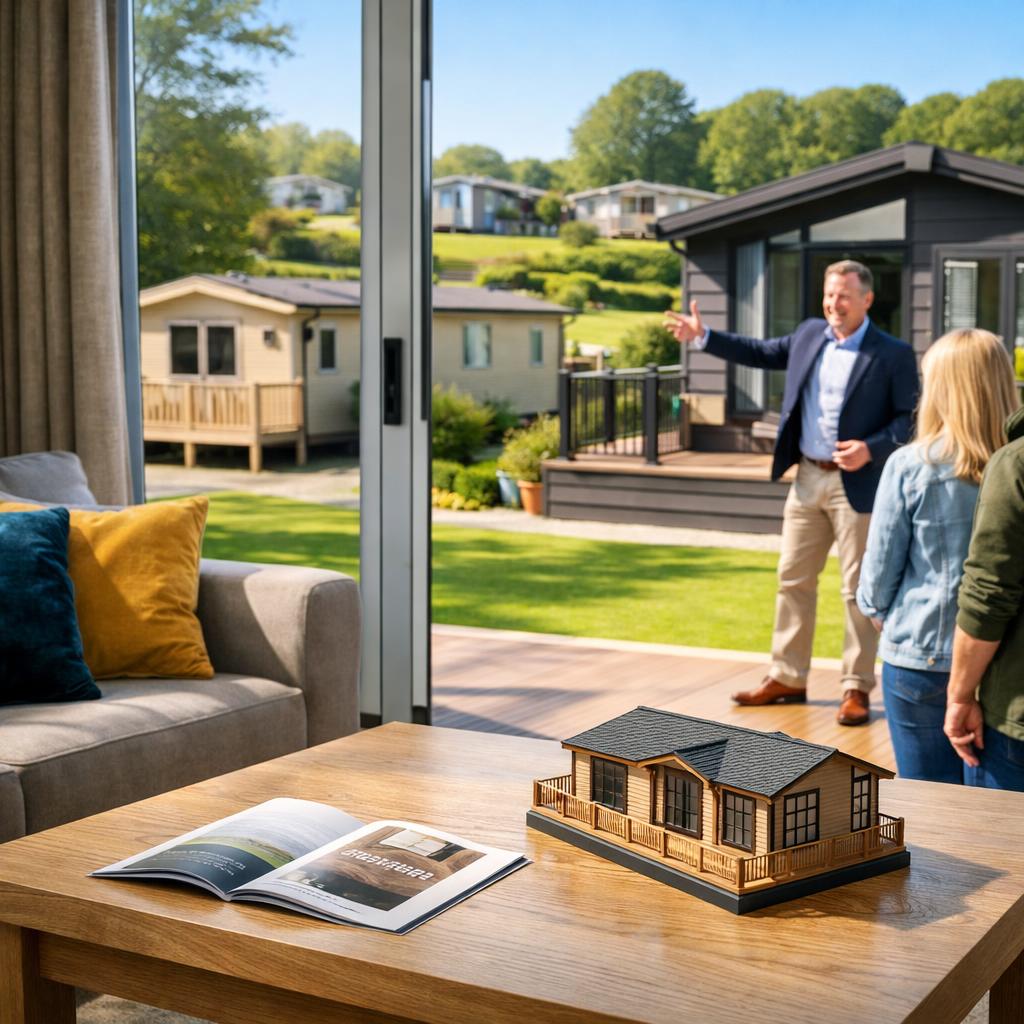
What features typically come with luxury holiday lodges for sale?
Direct answer: Typical features include high-spec kitchens, thermal insulation, double glazing, and elevated finishes such as stone worktops. Specifications often include an integrated dishwasher, oven with induction hob, and energy-efficient heating systems. Many luxury holiday lodges for sale have optional extras like hot tubs, decking, and upgraded flooring. For example, adding a hot tub can increase purchase and installation cost by 8-12% but can boost short-term rental income by approximately 10-15%, according to industry operators. Warranties commonly cover chassis integrity and structural components, while fixtures and appliances usually carry 12-month guarantees. When comparing models, ask for an itemised specification sheet and a written warranty summary. Visit respected manufacturer collections and listings such as Luxury Lodges Residences to see spec examples and to benchmark finishes against what you are offered on park.
Price ranges + what affects price (size, plot, park, spec) for luxury holiday lodges for sale
Direct answer: Prices for luxury holiday lodges for sale typically depend on size, plot quality, park location, and specification. Smaller pre-owned lodges sell from around £70,000. Brand-new high-spec models in premium parks often sell for £150,000 to £350,000. Size matters: a 40×20 lodge costs on average 20-30% more than a 35×12 of similar spec. Park location is crucial. Parks in Cornwall or the Lake District command a 15-40% premium compared with inland parks. Plot quality affects value. Corner plots, elevated plots, or lakeside positions add between £5,000 and £40,000 to the asking price, depending on park demand. Research shows that around 48% of buyers are prepared to pay a premium for a view. Specification changes such as a fully fitted kitchen, stone countertops, engineered oak floors, and integrated appliances can increase the base cost by 10-25%. According to industry listings, typical buyer budgets break down as follows: 29% under £100k, 42% between £100k and £200k, and 29% above £200k. Delivery and siting costs average between £3,000 and £8,000, while decking and landscaping typically add £2,000-£12,000. For a practical buying timeline and paperwork, see our step-by-step guide on how to buy a holiday lodge UK. If you want to compare current market stock, national portals like OnTheMarket list dozens of active lodge sales and give a sense of regional pricing. Finally, keep a contingency of 5-10% of the purchase price for unexpected site works and specification changes. On average, buyers who budget a 7% contingency avoid last-minute financing issues.
Example price scenarios
Direct answer: Expect clear price bands depending on condition and location. A pre-owned 40×20 lodge in a mid-range park often costs £85,000 to £140,000. A new 40×20 lodge with upgraded extras on a premium coastal plot may cost £180,000 to £320,000. For instance, a brand-new twin-lodge 40×20 with bespoke cabinetry and hot tub can add £20,000 to £60,000 to a base model. Studies indicate that 37% of buyers choose to buy pre-owned to save an average of £25,000. If resale potential matters, budget for a higher spec to remain competitive in your park’s resale market.
Ongoing costs: pitch fees, utilities, insurance, maintenance for luxury holiday lodges for sale
Direct answer: Ongoing costs for luxury holiday lodges for sale typically include pitch fees, utilities, park insurance, and maintenance reserves. Pitch fees vary widely. On average, pitch fees fall between £2,500 and £7,500 per year. Regional variance is large. Coastal and high-amenity parks charge up to 40% more than inland equivalents. Utilities and council charges often add £800 to £2,000 annually. Comprehensive insurance for a luxury holiday lodge typically costs £300 to £900 annually, depending on sum insured and risk factors. Maintenance budgeting should include a yearly reserve of £500 to £3,000 to cover wear and tear. Research shows that owners who budget at least 1.5% of purchase price annually avoid reactive repair spikes. If you plan to rent your lodge, commercial insurance and licence fees may add a further 15-30% to your running costs. Management or rental agency fees generally range from 20% to 40% of gross rental income. For an in-depth cost breakdown and ownership obligations, read our guide on lodge ownership UK and holiday home ownership UK. Leisure Resorts, a major operator, describes ownership costs and benefits across park styles which can help benchmark expectations at Leisure Resorts Ownership Guide. Approximately 25-35% of lodge owners report surprise fees in their first year when budgets omit connection or landscaping costs. Make a line-item budget and confirm all fees in writing before you sign.
How to budget annual running costs
Direct answer: Create a three-line budget for fixed, variable, and contingency costs. Fixed costs should include pitch fees and basic insurance. Variable costs include utilities, TV/internet, and periodic maintenance. Contingency should be at least 5% of the purchase price. For example, on a £150,000 lodge, budget £4,500 for pitch fees, £1,500 for utilities, £600 for insurance, and £2,000 for maintenance. That totals £8,600 per year, or about 5.7% of the purchase price. Owners who plan rentals should add management and cleaning fees to this total. Confirm whether pitch fees cover any utilities or waste services to avoid double-counting.
Rules that matter (occupancy, subletting, pets, age restrictions) for luxury holiday lodges for sale
Direct answer: Park rules vary by site and can restrict occupancy, subletting, pets, and age of owners. Always request the park licence, site rules, and pitch agreement. Typical restrictions include a maximum occupancy per lodge, limits on annual nights, and requirements for seasonal closure in some parks. Approximately 30% of parks allow commercial short-term rentals under licence conditions. Around 55% permit pets subject to breed and number limits. Age restrictions can be strict: some parks are 55+ while others accept all ages. Subletting permission is uncommon; if allowed, it often carries additional fees and stricter insurance requirements. Studies indicate nearly 70% of disputes come from unclear rules on subletting or vehicle parking, meaning you should have the rules in writing. In addition, many parks require owner registration and a background check. To compare legal statuses between residential and holiday lodges, review our guide on Park Homes vs Holiday Lodges and our full buyer guide at Holiday lodge for sale UK. If subletting matters to your financial plan, ask for historical rental performance and the park’s occupancy statistics. Approximately 1 in 4 parks publish annual occupancy rates; these are useful to verify rental income forecasts.
Questions to ask about park rules before you buy
Direct answer: Ask for a written copy of the pitch agreement and full site rules. Confirm rules on pets, BBQs, hot tubs, subletting, and occupancy limits. Ask whether the park has management plans for noise, parking, and refuse. Request the last three years of minutes for the park owners’ committee if one exists. Also ask if the park charges inflation-linked increases to pitch fees and whether a sinking fund exists for communal repairs. Finally, confirm whether the park is part of an accredited body or trade association and what dispute-resolution pathways exist.
Viewing checklist (downloadable) for luxury holiday lodges for sale
Direct answer: Use a checklist to inspect build quality, site location, specification, and paperwork during viewings. Bring a camera, a tape measure, and a checklist to every viewing. Inspections should cover internal finishes, insulation, glazing, roof integrity, plumbing, and electrical safety. Check for damp and condensation which can be hidden in high-spec interiors. Verify the chassis, levelling, and siting compliance. Ask to see a full itemised specification and any warranty documents. Statistically, 62% of buyers change their decision after a second viewing, so schedule a follow-up. Watch walkthrough videos to prepare; for a typical 40×20 model walkthrough see the example below. This helps you set realistic expectations and questions during a site visit. Video walkthrough: Stunning 2 Bedroom 40 x 20 Foot Lodge Reduced by £8,000!
<div class="se-video" style="position:relative;padding-bottom:56.25%;height:0;overflow:hidden;margin:24px 0;">
Another detailed tour of a 40×20 twin lodge helps buyers examine layout decisions. Video walkthrough: BRAND NEW LOVE OAKLAND LODGE WALKTHROUGH 40×20
<div class="se-video" style="position:relative;padding-bottom:56.25%;height:0;overflow:hidden;margin:24px 0;">
Key items on the checklist include: – Confirm that the pitch orientation matches the marketing photo. – Measure living and bedroom dimensions yourself. – Test all doors and windows for smooth operation. – Run hot water and test shower pressure. – Check storage and underfloor access panels. – Request evidence of recent site inspections by park management. For a full downloadable viewing checklist and timeline, see our step-by-step buying guide at How to Buy a Holiday Lodge UK.
Downloadable viewing checklist items
Direct answer: Prioritise safety, specification, and site details on your checklist. Safety checks include smoke and CO alarms, emergency exits, and safe gas installation. Specification checks include appliances, warranties, and finish materials. Site details include drainage, parking, proximity to amenities, and access. Bring a list of 15 must-ask questions and confirm fees in writing before you leave the park.
Enquire / book a viewing for luxury holiday lodges for sale
Direct answer: To act, request available appointment slots and a written costing sheet from the park or broker. Book a viewing for any luxury holiday lodges for sale you shortlist within two weeks. The typical decision window after a viewing is 2 to 6 weeks. If you are serious, register your interest formally and ask for a provisional hold on the pitch. Our process at White Park Home Group begins with a buyer consultation, followed by park matching and a guided viewing. Contact us via our main site at White Park Home to book a consultation. If you prefer to research parks by region first, explore our park and area pages such as Lodges for Sale in Kent or Lodges for Sale Lincolnshire. When you enquire, request the following documents in writing: the site licence or tenancy agreement, the latest pitch fee schedule, the lodge specification sheet, and any transfer or conveyancing pack. Note that approximately 18% of advertised lodges are under offer within 14 days, so timely action helps. We also recommend you arrange a mortgage pre-approval or proof of funds if you intend to finance the purchase. If rental matters, ask for historical occupancy and revenue figures for the park. Lastly, prepare a clear list of non-negotiable items, so you can move quickly when you find the right lodge.
Next steps after you enquire
Direct answer: After enquiry, get a written quote, book a viewing, and request the park’s documentation pack. Arrange a second viewing if necessary and secure provisional hold on the unit. Engage a solicitor experienced in holiday park transactions for contract review. Expect a typical completion timeline of 4 to 12 weeks after offer acceptance. This depends on financing and any site works required.
Key Takeaways
- Luxury holiday lodges for sale vary by size, park and specification; expect prices from £70k to £350k.
- Budget for annual running costs: pitch fees £2.5k–£7.5k, utilities £800–£2k, insurance £300–£900.
- Obtain park rules, pitch licence, and warranty documents in writing before committing.
- Use a viewing checklist and watch walkthroughs such as the 40×20 lodge tours to prepare your decision.
- Enquire early, secure a provisional hold, and use an experienced solicitor for holiday park purchases.
Frequently Asked Questions
How much do luxury holiday lodges for sale cost on average?
Direct answer: On average, luxury holiday lodges for sale cost between £85,000 and £250,000 depending on condition, size, and park location. New bespoke models in premium parks can reach £350,000. Pricing splits roughly with 29% of listings under £100k, 42% between £100k and £200k, and 29% above £200k. Cost drivers include plot fees, delivery and siting, decking, and specification upgrades. Buyers should budget an additional 5-10% contingency. Delivery and siting costs average £3,000-£8,000, while pitch fees commonly add £2,500-£7,500 annually. For regional examples and park comparisons see our Devon and Scotland pages and national listings.
Can I rent out my luxury holiday lodge?
Direct answer: You can often rent out your luxury holiday lodge, but permission depends on park rules and licensing. Typically about 30% of parks allow commercial short-term rentals under specified conditions. If the park permits renting, you must follow the park’s licence, maintain commercial insurance, and often use a park-approved management agency. Agency fees commonly range from 20% to 40% of gross rental income. Ask for historical occupancy and revenue figures before you commit. Also confirm whether income is gross or net of management, cleaning, and utilities. Renting can increase running costs and may require additional bookkeeping for tax purposes.
What are pitch fees and how often do they increase?
Direct answer: Pitch fees are annual charges for your lodge site and park services. They typically range from £2,500 to £7,500 per year. Many parks apply annual increases tied to RPI or a fixed percentage. Research shows that pitch fees increase by an average of 2% to 4% per year, depending on contractual terms and park investments. Always request the pitch fee history for the last three years and check whether the fee covers utilities, waste management, and on-site amenities. Written confirmation of what the pitch fee includes avoids surprises.
Can I live in a luxury holiday lodge full time?
Direct answer: Living full time in a holiday lodge depends on the specific lodge’s legal status and park rules; most holiday lodges are not licensed for permanent residency. Residential lodges or park homes are designed for year-round living. Approximately 90% of parks require lodges to be used as holiday accommodation only. For exceptions, consult our guide on residential lodges and the legal distinctions at Residential Lodges for Sale UK. If you need permanent residency, look specifically for residential-licensed units and confirm council tax and local authority rules before purchase.
Enquire now