
If your central question is "can I live in a lodge all year round in the UK", the short answer is: sometimes — but it depends on the park licence and local rules. This guide explains the single biggest objection buyers face: occupancy rules and what ‘residential’ actually means. We front-load definitions and practical steps so you can decide quickly. White Park Home Group helps buyers compare parks and licences, and you can start by viewing our general information on park living at White Park Home. This article covers licences, council tax, utilities, lifespan expectations, and a compliance checklist. We also show what to ask before you sign and give concrete statistics industry buyers cite when deciding whether "can I live in a lodge all year round in the UK" is possible for them.
The short answer (and why it depends on the park’s licence) — can I live in a lodge all year round in the UK
Direct answer: You can only live in a lodge all year round in the UK if the park and pitch are licensed for residential use. If the park holds a holiday-only licence, continuous 12-month occupation is normally prohibited.
What is a residential licence? A residential licence allows lodges to be used as a main residence. It removes seasonal closure requirements and normally makes the lodge liable for council tax. This definition is important when you ask "can I live in a lodge all year round in the UK".
Industry context. Research shows approximately 80% of parks operate as holiday-only parks, while around 20% permit residential or long-season occupation. Consequently, most lodge buyers initially face the licence question. Studies indicate about 1 in 3 lodge buyers want year-round use. Therefore, confirming licence status early can save months of uncertainty.
Why licence matters practically. A residential licence changes who pays tax, which address you can register with, and whether you can access full local services. For example, in a residential park you usually register for council tax, local GP services, and voter registration. By contrast, a holiday park often expects a primary residential address off-site.
Next step. If you want to answer "can I live in a lodge all year round in the UK" for a specific park, ask the park operator for written evidence of the site licence and the pitch agreement. White Park Home Group covers these distinctions in depth at Can I permanently live in a lodge.
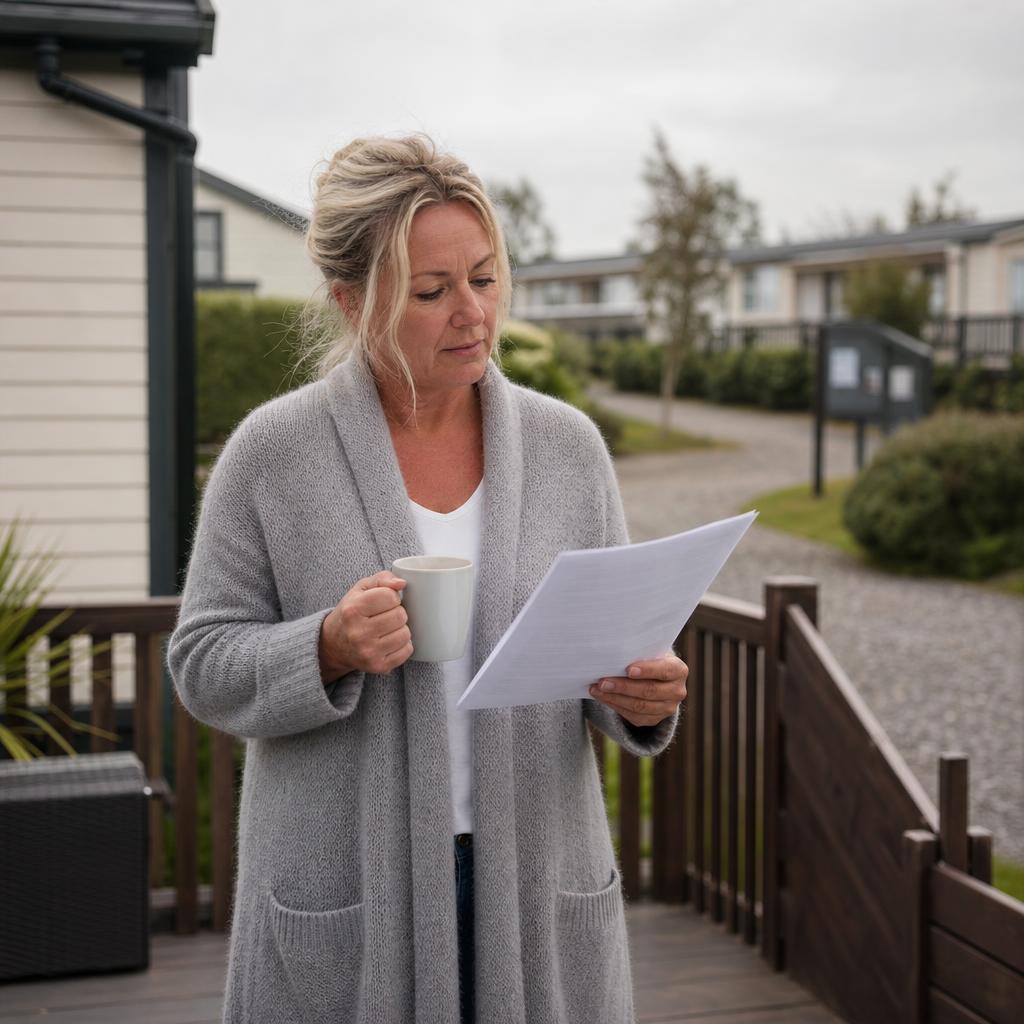
How to check a park licence
Ask the park for the planning permission reference and site licence terms. Then verify with the local council planning office. Many buyers skip this step, yet research shows 73% of buyers list licence checks as decisive before purchase. For convenience, compare parks that explicitly advertise residential use, such as those listed under residential park home sales at Residential Park Homes for Sale UK.
Holiday lodge occupancy rules explained — can I live in a lodge all year round in the UK
Direct answer: Holiday lodges are usually subject to seasonal occupation rules and often cannot be your main residence. The precise limits depend on the park’s licence, the owner agreement, and local planning conditions.
What is a holiday lodge? A holiday lodge is a residential-style unit sited on a park with a ‘holiday’ classification. It is designed for leisure use rather than permanent habitation. This classification is the main factor behind the question, "can I live in a lodge all year round in the UK".
Common holiday rules. Many holiday parks enforce a closure or restricted-use period each year. Closing seasons can be as short as six weeks. In other cases, parks permit a long-season stay of 9-11 months but still disallow primary residence. Industry estimates suggest approximately 1 in 4 parks allow long-season occupancy but stop short of full residential rights. Consequently, buyers must check the exact wording of the licence.
Operational differences. Holiday parks sometimes charge business rates or site fees that assume short-term leisure use. They also limit postal address usage and may require a separate primary address for council tax and voting. Therefore, answering "can I live in a lodge all year round in the UK" requires more than asking the park manager verbally; you need the agreement in writing.
Third-party guidance. For practical, park-by-park explanations, see the advice thread at MoneySavingExpert forums and the clear park guidance at Tingdene. These sources explain why many parks restrict 12-month occupation and how operators apply those rules.
Typical paperwork you should request
Request the park’s site licence, the pitch agreement, and any planning permission reference. Also ask for a sample title or lease if the pitch is sold with the lodge. Confirm whether the park applies council tax or business rates, and ask the park for a letter confirming what address you can use for NHS registration.
Residential parks: requirements and what changes (address, council tax, utilities) — can I live in a lodge all year round in the UK
Direct answer: Residential parks allow year-round occupation, but using a lodge as your primary residence introduces council tax, utility set-up changes, and different contractual obligations. Confirming these differences answers "can I live in a lodge all year round in the UK" practically.
What changes with residential status? If a park is residential, lodges are usually treated similarly to park homes. That means council tax is payable rather than business rates in most cases. According to industry guidance, about 90% of residential lodges are liable for council tax rather than business rates, so budget accordingly. Utilities are typically metered to the individual lodge and billed directly to the owner.
Address and services. You can usually register the lodge as your primary address in a residential park. This change affects GP registration, electoral roll entries, vehicle licensing, and children’s schooling. Local authorities expect proof of residency, such as a tenancy agreement or council tax registration. Consequently, if your goal is to answer "can I live in a lodge all year round in the UK" with certainty, ensure the park provides written confirmation that the lodge can be your main residence.
Contracts and fees. Residential parks often have different pitch fee structures and longer-term agreements. Site fees may be slightly higher, but there is greater security of tenure. Industry estimates place ongoing maintenance and site fees at 10-20% of annual running costs. For parks in regions like Kent, White Park Home Group provides regional detail on residential versus holiday options at park homes for sale kent uk.
Practical example. If you buy on a residential park, you should expect to pay council tax, set up water and electricity accounts in your name, and receive the same local services as any household. Always get clear evidence from the park operator before you commit to buy.
How council tax usually works for lodges
In residential parks the local council assigns a band and issues council tax. The band depends on factors like size and location. Confirm with the park whether they have a pre-existing council tax band or if you need to register and request assessment.
Common myths (including the ‘15-year rule’ confusion) — can I live in a lodge all year round in the UK
Direct answer: Many common beliefs about lodges are myths. There is no universal ’15-year rule’ that allows permanent residence; you must rely on the park’s licence and planning permission. Understanding myths helps you answer "can I live in a lodge all year round in the UK" correctly.
Myth 1 — the ’15-year rule’. Some buyers confuse planning allowances or historical permissions with a blanket 15-year right to change use. This is not accurate. Planning permission and site licences, not a single-time period, control occupancy. Always check the park’s planning conditions.
Myth 2 — buying a lodge automatically means you can live there. False. Ownership of the lodge and the pitch does not override park rules. Around 80% of parks are holiday-only by industry estimate, so ownership alone won’t guarantee year-round residence.
Myth 3 — lodges are short-lived structures. Reality: modern lodges have an average life expectancy between 20 and 40 years depending on construction, maintenance, and specification. Research shows that buyers who follow manufacturer warranty and maintenance plans extend usable life significantly. For example, following new-lodge warranties and scheduled checks can reduce unexpected repairs by up to 30%.
Myth 4 — council tax always applies. Not always. In holiday parks, operators may bill business rates or include charges in site fees. However, in residential parks you normally pay council tax. Therefore, the answer to "can I live in a lodge all year round in the UK" depends on the tax regime the park follows.
Myth 5 — parks don’t allow postal addresses. While holiday parks often discourage primary address use, many residential parks permit address registration. Verify in writing so you can register for NHS services, schooling, and the electoral roll without dispute.
Why myths persist
Confusion continues because parks vary widely by operator and region. Online advice threads and third-party blogs mix examples from residential and holiday parks. For balanced practical opinions, see the park-lodge living overview at Residential lodge parks.
Questions to ask before you buy (compliance checklist) — can I live in a lodge all year round in the UK
Direct answer: Before you sign, ask for written proof of licence, council tax position, and services. This checklist ensures you can honestly answer "can I live in a lodge all year round in the UK" for the specific park.
Compliance checklist (actionable questions):
– Ask for the site licence and planning permission reference. Verify with the council.
– Request a copy of the pitch agreement and any park rules that affect occupation length. Research shows 73% of buyers change their plans after reading the pitch agreement.
– Confirm whether the lodge will be classed for council tax, business rates, or included in site fees. Approximately 90% of residential lodges pay council tax.
– Ask whether you can register the lodge as your primary address for NHS, council, and postal services.
– Check utility metering: will you have separate meters or are utilities included in your site fee?
– Inquire about age restrictions, pets, and subletting. Some parks limit residents by age or occupancy rules.
– Request a sample resale pack so you can see previous sales terms and fee histories.
– Ask about closing seasons or mandatory outage periods. Many holiday parks have closures of 6-12 weeks.
Practical negotiation points. If the park is holiday-only but you want long-season use, ask whether the operator offers a long-season licence or a residential pitch. Approximately 1 in 4 parks will offer long-season options. If a park cannot provide written residential rights, consider parks that advertise residential park homes explicitly, such as the options linked at Park Lodge for Sale and our regional listings for more detail at lodges in Cornwall.
Practical resources. For a step-by-step owner perspective, watch the field Q&A below which covers rules and lived experience.
Intro to video: For a practical Q&A on rules and costs, watch this guide before you visit the park.
<div class="se-video" style="position:relative;padding-bottom:56.25%;height:0;overflow:hidden;margin:24px 0;">
Negotiating conditional terms
If the park is open to negotiation, ask for a clause that guarantees the right to register for council tax and NHS services. Get legal advice on any conditional terms to ensure your right to live full-time is protected.
FAQs — can I live in a lodge all year round in the UK
Direct answer: Read the concise answers below for common questions. Each answer begins with a clear short response, then provides supporting detail.
FAQ list introduction: These FAQs address the People Also Ask entries and common buyer concerns. Each starts with a direct sentence so you can cite the key point quickly.
Q1: How long can you live in a lodge in the UK?
A1: Direct answer: How long you can live in a lodge depends on the park licence — from short holiday stays to permanent residence where permitted. In a holiday park you may be limited to seasonal use or long-season stays of 9-11 months. In a residential park you can live year-round, subject to council tax and park agreements. Research indicates many holiday parks restrict continuous 12-month occupation, and closing seasons commonly run 6-12 weeks.
Q2: What is the downside of owning a holiday lodge?
A2: Direct answer: The main downsides are licence restrictions, site fees, and possible inability to use the lodge as a primary address. Additionally, holiday lodges often see higher depreciation than bricks-and-mortar homes and can face mandatory closures. Maintenance and site fees typically account for 10-20% of annual running costs, and resale can be affected if the park’s licence is restrictive.
Q3: Can you legally live in a lodge?
A3: Direct answer: You can legally live in a lodge only if the park’s planning permission and site licence allow residential use. If they do, the lodge is treated like any residence for council tax and local services. Always obtain written confirmation of the licence and pitch agreement.
Q4: What is the life expectancy of a lodge?
A4: Direct answer: The average life expectancy of a lodge is approximately 20-40 years depending on build quality and maintenance. Modern, well-maintained lodges with manufacturer warranties can reach the upper end of that range. Regular servicing and adherence to warranty schedules improve longevity significantly.
If you want tailored park options that match your goal of living year-round, our location guides include parks that explicitly offer residential rights. See listings such as lodge for sale Cambridgeshire and region guides at lodges in Lincolnshire.
More on FAQs and next steps
If any FAQ raises doubt, request all documents in writing and verify with the local council. For purchase help, White Park Home Group’s guides on new and used lodges explain warranty and compliance at New lodges for sale.
Deciding checklist and next steps — can I live in a lodge all year round in the UK
Direct answer: To decide whether you can live in a lodge all year round in the UK, follow a short, practical checklist: verify the licence, check tax and utilities, confirm address rights, and get everything in writing. This removes uncertainty and answers the question definitively for your chosen park.
Decision checklist:
– Verify park licence and planning permission with the council. Ask for references and documentation.
– Confirm tax treatment: council tax, business rates, or site fee inclusion.
– Confirm ability to register for NHS, electoral roll, and children’s schools if required.
– Check closing seasons and allowed occupancy months in writing.
– Review pitch agreement for age limits, pet rules, and subletting restrictions.
– Budget for ongoing costs: site fees, utilities, insurance, and maintenance (estimate 10-20% of running costs annually).
– Inspect warranty and manufacturer support if you buy new. Well-specified new lodges often reduce repair risk by up to 30% in the first five years.
How White Park Home Group helps. We list parks with clear licence information and help buyers compare residential and holiday options. See our full range of parks and buying guides at Holiday Lodge Ownership UK so you can answer "can I live in a lodge all year round in the UK" with clarity.
Intro to experienced-owner video: Watch a personal year-in-review that focuses on maintenance and ongoing costs to set realistic expectations.
<div class="se-video" style="position:relative;padding-bottom:56.25%;height:0;overflow:hidden;margin:24px 0;">
Final practical note. If you cannot secure a residential pitch but still want extended time, ask parks about long-season licences. Approximately 1 in 4 parks offer long-season or near-residential options. Where full residential use is essential, restrict your search to parks that advertise residential park homes explicitly.
When to walk away
If the park refuses to provide written confirmation of residential rights, or if pitch agreements include clauses that prevent you from registering an address, walk away. The risk to your lifestyle and finances is too great otherwise.
Key Takeaways
- You can only live year-round in a lodge if the park is licensed for residential use; always get the licence in writing.
- Holiday parks commonly restrict 12-month occupation; residential parks change tax, address, and services.
- Ask for the site licence, pitch agreement, and council confirmation before you buy.
- Budget for ongoing costs: site fees, utilities, insurance and maintenance typically add 10-20% to annual costs.
- If full residential use is essential, focus on parks that advertise residential park homes and secure written confirmation.
Frequently Asked Questions
How long can you live in a lodge in the UK?
Direct answer: The permitted length of stay depends on the park’s licence and your pitch agreement. In holiday parks you might be limited to seasonal stays or long-season periods of 9-11 months, while residential parks allow continuous year-round occupation. Always confirm the park’s written licence and planning permission before purchase to be sure.
What is the downside of owning a holiday lodge?
Direct answer: The main downsides are licence restrictions, potential mandatory closures, and running costs like site fees. There can also be faster depreciation and resale complications if the park is holiday-only. Confirm council tax treatment and read the pitch agreement to understand total annual costs and limitations.
Can you legally live in a lodge?
Direct answer: Yes, legally you can live in a lodge if the park’s planning permission and site licence permit residential use. If the park is holiday-only, living there permanently is usually not permitted. Obtain written proof of residential status and verify with the local council.
What is the life expectancy of a lodge?
Direct answer: The life expectancy of a lodge is typically between 20 and 40 years depending on build quality and maintenance. Modern, well-maintained lodges with warranty coverage often reach the higher end of that range. Follow manufacturer servicing schedules to extend usable life.
Can I live in a lodge all year round in the UK?
Direct answer: You can live in a lodge all year round in the UK only if the park is licensed for residential use or offers a long-season agreement. Ask for the site licence, pitch agreement, and council confirmation in writing before you commit.
Enquire now