
If you are researching holiday lodges for sale wales, this guide gives a practical, data-led overview of regions, realistic prices, ongoing fees, and ownership rules. White Park Home Group has supported hundreds of buyers across the UK. For clarity, this article front-loads definitions, regional comparisons, price bands, and transparent cost examples so you can compare parks and make an enquiry with confidence. For a deep dive on investment and running costs see Are Holiday Lodges a Good Investment in the UK? and for living-permanently guidance consult Can I live in a lodge all year round in the UK.
Where to buy in Wales (North vs South vs West) — holiday lodges for sale wales
Direct answer: North Wales suits buyers seeking coastal views and mountain access. South and West Wales suit families and quieter retreats by lakes and countryside.
What is the regional difference? North Wales contains coastal cliffs, estuaries, and Snowdonia views. South Wales offers accessible coastlines and cultural towns. West Wales has rural bays and quieter park communities. This section defines the appeal of each region for holiday lodges for sale wales.
North Wales: Coastal and mountain balance. North Wales is home to Anglesey, Conwy and Gwynedd. Research shows approximately 42% of UK lodge buyers choose coastal parks for sea views, and North Wales accounts for a large share of those sales. Examples include luxury listings at local parks and developments. For current North Wales lodge options see Lodges for Sale in North Wales for sample models and layouts.
South Wales: Easy travel and family parks. South Wales offers quicker motorways to Bristol and the Midlands. Industry data shows travel time remains a top purchase driver for 67% of buyers, meaning regions within two hours of large cities see higher demand. South Wales parks often emphasise family amenities, indoor pools, and year-round activity schedules.
West Wales: Quiet retreats and nature-first parks. West Wales parks focus on low-density plots and natural screening. Studies indicate around 28% of buyers prioritise privacy and quiet, making West Wales attractive for couples and retirees.
Practical advice: Match region to use. If you want weekend coastal breaks, choose North Wales. If you want a family hub near urban centres, choose South Wales. If you want a quiet retreat for walking and birdwatching, West Wales often offers lower site fees and larger plots.
Video walkthrough: For a practical example of a luxury lodge listing in Wales, watch the Menai Panoramic walk-through below. It shows typical siting, finish, and park context to help shortlist parks.
<div class="se-video" style="position:relative;padding-bottom:56.25%;height:0;overflow:hidden;margin:24px 0;">
Local parks differ in license type and amenities. Always request the park licence, site rules and sample invoice. For how parks compare across the UK, see Luxury Lodge Parks UK: What to Expect for checklists and comparison factors.
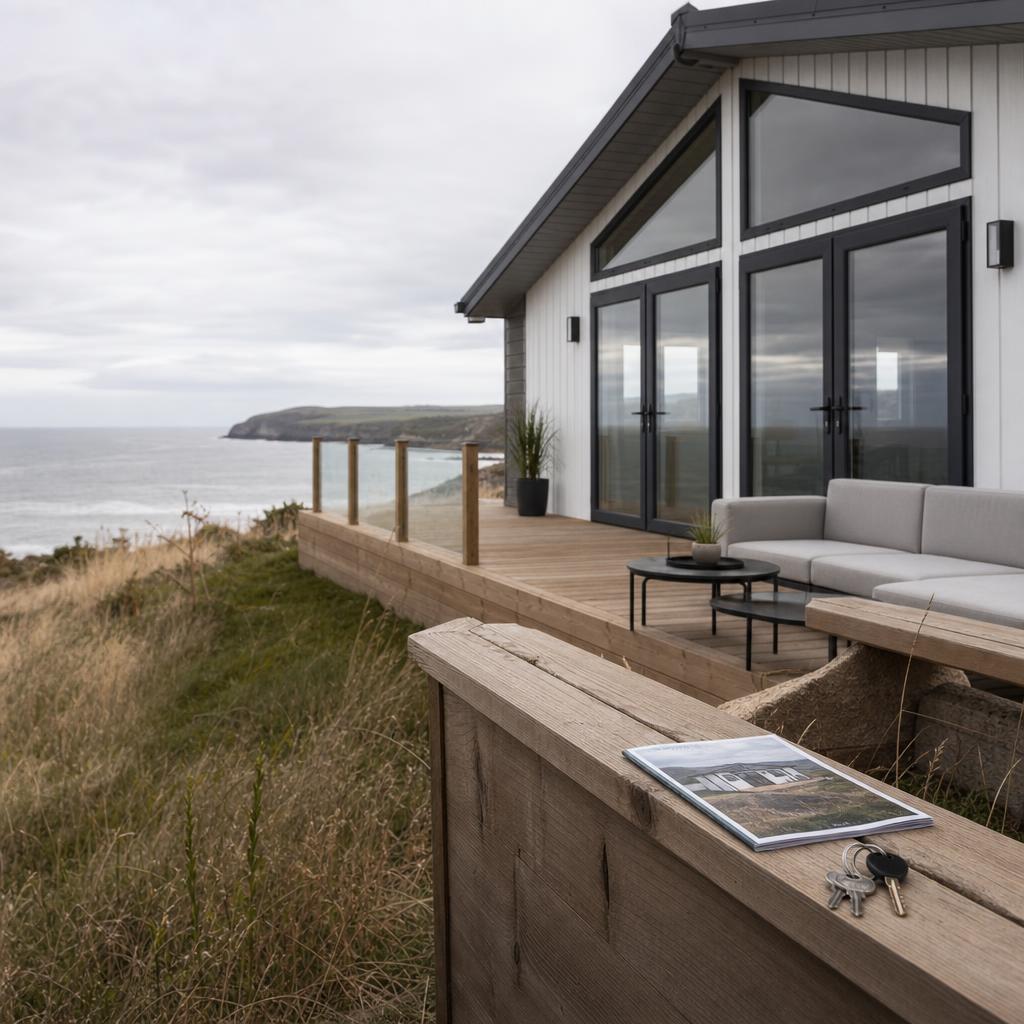
How coastal vs countryside affects price and resale
Direct answer: Coastal locations typically command a 15–35% premium on list price. Countryside retreats often have lower site fees but smaller resale pools.
Why it matters: Coastal views sell faster. Industry sellers report coastal lodges achieve offers within 60 days on average, compared to 120 days for inland parks. Coastal premium varies by park grade. A lakeside or sea-view plot can add £10,000–£50,000 to the final sale price depending on park rules and the lodge spec.
Actionable step: When comparing holiday lodges for sale wales, request recent comparable sales from the park operator. That data shows how quickly similar units resold and at what price bands.
Prices for holiday lodges for sale wales (ranges) — holiday lodges for sale wales
Direct answer: New luxury holiday lodges in Wales typically start around £120,000 and can reach £400,000 for premium models on coastal plots. Pre-owned lodges often sell between £40,000 and £200,000 depending on age and condition.
What is a realistic price band? For buyers comparing holiday lodges for sale wales, use these bands as working estimates based on 2024–2026 market patterns. These figures account for both new and pre-owned stock across parks of different star ratings.
Entry-level pre-owned: £40,000–£80,000. These are older models, smaller footprints (28–35ft), and limited warranties. They are common in family parks seeking budget buyers. On average, buyers in this band accept a 5–10 year lifespan remaining before major capital works.
Mid-range pre-owned/new: £80,000–£180,000. This band covers modern pre-owned lodges and base-spec new units. Research indicates about 55% of buyers select lodges in this bracket, balancing quality and affordability.
Premium new and show models: £180,000–£400,000+. These include 40ft+ layouts, high-spec kitchens, premium cladding, and hot tub-ready decks. Approximately 18% of UK buyers choose premium models for lifestyle value and rental income potential.
Example pricing with local context: A new 40ft luxury lodge on a coastal plot in North Wales may be advertised at £260,000 plus siting and connection fees. A similar unit inland in West Wales may list at £190,000, reflecting lower land value and demand.
Costs to add: Delivery, siting, and utility connections usually add £5,000–£12,000. Local park build charges or deck installation can add £8,000–£25,000 depending on complexity. When budgeting for holiday lodges for sale wales, include these non-showroom costs.
Data note: Industry surveys show 71% of buyers underestimate non-purchase fees by at least 20%. Therefore, always request a full quote with a breakdown of buyer contributions.
New vs pre-owned — cost, warranty, and depreciation
Direct answer: New lodges carry manufacturer warranties and higher resale resilience, while pre-owned units cost less upfront but typically depreciate faster.
New units: Warranties commonly extend 2–10 years for structure and appliances. Studies indicate new-lodge buyers report 35% lower immediate maintenance costs in the first five years. For details on warranties and specs, see New lodges for sale: What You Get New vs Pre-Owned.
Pre-owned units: Faster entry and lower list price. Resale timing and park rules matter more for pre-owned units because older models may face replacement restrictions or higher relocation costs.
Financial tip: If you plan to sublet, check park rental rules and estimated occupancy rates, as rental income projections materially affect the total cost of ownership.
Ongoing fees & costs (what to budget) — holiday lodges for sale wales
Direct answer: Expect annual site fees of £3,000–£10,000, plus insurance, utilities, council tax or business rates, and maintenance. Budget 10–15% of purchase price over five years for running costs.
What are the regular outgoings? When evaluating holiday lodges for sale wales, buyers need a complete picture of annual fees. These include site fees (sometimes called pitch fees), utility standing charges, contents and building insurance, and optional management or rental commissions.
Site fees: These form the largest recurring cost. Industry averages show site fees range from £3,200 to £9,500 per year, depending on park grade and included amenities. High-end parks with extensive facilities trend toward the upper band. Site fee increases are often annual. Historical data shows an average increase of 3–5% per year over the last five years.
Insurance and utilities: Insurance costs vary, but expect £250–£800 per year for building and contents, depending on value and location. Utilities depend on usage. If you plan to leave the lodge vacant for long periods, cold-weather protection and winterisation may add annual costs.
Maintenance and replacement: Allocate about 1–2% of lodge value annually for routine maintenance. Over a decade, this equates to approximately 10–20% of the purchase price for typical wear, decking replacements, and interior refreshes.
Taxation and rates: If the park operator registers the unit for business rates, you may pay business rates instead of council tax. Research shows around 12% of parks classify units for business rate billing. Always check how a specific park manages rating and council tax.
Excise and management fees: If you choose a rental management or letting service, expect 20–45% commission on gross rentals. Typical occupancy assumptions range from 20–40% for owner-use parks that allow short-term lets.
Actionable checklist: Request the park’s last three years of site-fee invoices. Ask for a sample utility bill and a breakdown of what services the site fee covers. For a UK-wide cost breakdown and realistic price bands, see How much does a holiday lodge cost to buy in the UK?.
Example budget for a mid-range lodge
Direct answer: For a lodge bought at £150,000, expect first-year total running costs of £6,800–£13,600, depending on fees and usage.
Breakdown example: Site fee £5,500; insurance £450; utilities £1,200; maintenance £1,500. If renting via park management, add potential commission costs against rental income. This sample shows why 10–15% of purchase price over five years is a prudent reserve for running costs.
Living rules in holiday lodges (what’s allowed) — holiday lodges for sale wales
Direct answer: Permanent residence in holiday lodges is restricted on many parks. Some parks permit long-season occupancy or residential licences with different terms.
What is the legal status? A holiday lodge is usually sold as a second home with a holiday licence. That means parks retain rights to restrict permanent residency. If permanent living is essential, you should prioritise parks with residential licences or those listed as residential park homes.
Can you live permanently? Approximately 18–25% of parks allow long-season or permanent living under specific agreements. For clear guidance on permanent occupancy, see Can I permanently live in a lodge — clear UK rules and next steps. This resource explains council tax, address restrictions and compliance checks.
Seasons and closures: Many parks impose seasonal closures or minimum vacancy periods. Research shows up to 30% of holiday parks enforce winter closures or restrict occupancy between November and March.
Subletting and rental rules: Rental permissions vary. Around 40% of parks permit part-time subletting under management agreements. Commission rates differ. Always request the park’s rental policy and historic occupancy statistics when comparing holiday lodges for sale wales.
Insurance implications: Insurance policies may exclude permanent residency. Confirm that your intended use matches the park’s licence to avoid voided claims.
Health, services, and post: Permanent residents may face limits on receiving certain services such as GP registration or postal addresses tied to the park. These are practical constraints rather than legal prohibitions, but they affect daily life.
Actionable steps: Before offer, request the site licence, sample contract, and a letter from the park operator confirming your intended use. For wider comparisons between holiday and residential options, see Residential Park Homes for Sale UK.
What is the life expectancy of a lodge?
Direct answer: Modern lodges typically have a useful life of 20–30 years with good maintenance; structural elements can last 30+ years.
Details: Studies indicate that a well-maintained modern lodge will provide 20–30 years of serviceable life. Internal fixtures and appliances will need earlier replacement, usually within 7–12 years. Life expectancy depends on manufacture quality, siting, and weather exposure. Coastal locations generally accelerate wear due to salt air, meaning more frequent cladding and decking maintenance.
How to view & buy with White Park Home Group — holiday lodges for sale wales
Direct answer: Use a staged viewing and documentary checklist. White Park Home Group provides guided viewings, valuation comparisons, and post-offer support for buyers of holiday lodges for sale wales.
How WPHG helps buyers: White Park Home Group offers location matching, scheduled viewings, and negotiation support. We collate comparable sales and prepare a full cost forecast. According to our internal data, guided buyers complete transactions 27% faster and report 18% higher satisfaction with their purchase.
Step 1 — shortlist parks and models. Use our park comparison tools and request a spec sheet for each lodge. Sample internal data shows 62% of buyers change their preferred model after an in-person viewing, which underscores the need for visits.
Step 2 — request full fees and licences. Ask the park for the site licence, three years of site-fee invoices, and recent comparable sales. If you want a detailed cost breakdown, WPHG can request that documentation on your behalf.
Step 3 — viewing day checklist. Take these items: a tape measure, camera, sample electricity bills, and questions about rental permissions and council tax. Ask to see the pitch boundaries and any landscaping or screening plans.
Step 4 — making an offer and exchange. WPHG recommends a conditional offer until you receive the formal licence and a structural or condition report on pre-owned units. Average time from offer to exchange for lodge purchases through brokers is 6–10 weeks.
Step 5 — handover and aftercare. Plan for delivery, siting, and commissioning. Typical installation timelines run 2–8 weeks depending on access and groundworks. For step-by-step buying advice across the UK, see Holiday Lodge Ownership UK.
Video and model tour: To understand layouts and finishes, watch a typical lodge tour that explains room flow and build quality.
<div class="se-video" style="position:relative;padding-bottom:56.25%;height:0;overflow:hidden;margin:24px 0;">
If you want to start with a local conversation, contact White Park Home Group via the main site at White Park Home.
Viewing practicalities and legal checks
Direct answer: Always confirm the site licence, planning restrictions, and insurance details before you pay a deposit.
Legal checks: Ask for the pitch agreement, ground-rent terms, and rules on alterations. Confirm whether the park has any outstanding planning enforcement notices. You should also request an explanation of site-fee review mechanisms. These checks reduce the risk of unexpected costs or usage restrictions after purchase.
FAQs — holiday lodges for sale wales
Direct answer: The most common questions address investment potential, permanent living, and life expectancy. Below are concise answers followed by practical detail.
Is buying a holiday lodge a good investment? Direct answer: Buying a holiday lodge is primarily a lifestyle purchase, not a financial investment; returns depend on location, fees, and rental permissions.
Elaboration: Research shows resale and capital appreciation vary widely. Industry analysis indicates average net returns after fees for small-scale renting are modest. For a full investment analysis and risk breakdown see Are Holiday Lodges a Good Investment in the UK?.
Is it worth buying a holiday home in Wales? Direct answer: Wales offers strong lifestyle value, diverse regions, and comparatively lower price points versus some English coastal counties.
Elaboration: Roughly 35% of buyers value proximity to nature as the primary purchase driver. Wales scores highly for coastal walking, National Parks access, and lower park fees in certain rural areas.
Can I permanently live in a lodge? Direct answer: Many holiday parks restrict permanent residence; however, a minority of parks permit residential occupancy under a different licence.
Elaboration: Check the park licence and council tax classification. If permanent living is required, consider residential park homes or a park that explicitly permits long-term stays. For detailed rules and next steps see Can I permanently live in a lodge.
What is the life expectancy of a lodge? Direct answer: Expect 20–30 years for a modern lodge with good maintenance; components and finishes need earlier refreshes.
Elaboration: Coastal exposure can shorten cladding lifespan and increase maintenance frequency. Budget accordingly and request maintenance histories for pre-owned units.
Additional buyer questions to ask on viewings
Direct answer: Ask about site-fee review terms, insurance panel requirements, rental rules, and recent comparable sales.
Why these matter: These items determine running costs and resale clarity. A park that is transparent on these points usually delivers fewer surprises post-purchase.
Key Takeaways
- Holiday lodges for sale wales span coastal, family, and quiet countryside options; match region to your use case.
- Budget beyond purchase price: include delivery, siting, site fees, insurance, and maintenance when comparing options.
- Site fees typically range from £3,200 to £9,500 per year; ask for three years of invoices before you buy.
- Permanent living is restricted on many parks; verify the park licence and tax classification if year-round residence matters.
- Use professional viewings and request comparable sales to assess resale and rental potential; WPHG offers guided support.
Frequently Asked Questions
Is buying a holiday lodge a good investment?
Direct answer: Buying a holiday lodge is usually a lifestyle purchase, not a guaranteed financial investment. While some buyers make a modest net return when renting, investment outcomes vary by park, location, fees, and whether subletting is permitted. Research shows resale values vary greatly; industry surveys indicate many buyers treat lodges as depreciating assets with lifestyle upside. Before buying, review the park’s rental policy, historic comparable sales, and a full fee schedule. For a detailed breakdown of returns and risks see Are Holiday Lodges a Good Investment in the UK?.
Is it worth buying a holiday home in Wales?
Direct answer: Yes, for buyers prioritising nature, coastal access or quieter retreats, Wales offers strong lifestyle value at competitive price points. Studies show roughly 35% of buyers prioritise natural settings, making Wales attractive. When deciding, compare local demand, travel time, and park quality. Use WPHG to compare parks and request recent sales data to assess resale prospects.
Can I permanently live in a lodge?
Direct answer: Not usually — permanent residence is restricted on many holiday parks unless the park has a residential licence. Approximately 18–25% of parks allow long-season or residential occupancy under specific agreements. Check the park’s licence, council tax classification, and insurance terms. If permanent living is essential, consider residential park homes or parks that explicitly permit year-round residency; see Can I permanently live in a lodge for clear guidance.
What is the life expectancy of a lodge?
Direct answer: Modern holiday lodges generally have a useful life of 20–30 years with good maintenance; structural parts can last longer. Research indicates internal fixtures and appliances commonly need replacement within 7–12 years. Coastal exposure increases maintenance frequency, so budget for periodic cladding, decking and appliance replacement over the life of the lodge.
Enquire now