
Buying a lodge on a holiday park is an increasingly popular route to a low-maintenance second home in the UK. This guide explains the hidden fees, common park rules, and negotiation questions parks rarely volunteer. It also gives a printable viewing checklist you can use on site. For an immediate overview of our services and lodge listings, see White Park Home. Buying a lodge on a holiday park requires different checks than purchasing a traditional property. Therefore, you should prepare a shortlist of parks, understand pitch contracts, and know the red flags before enquiring. On average, buyers take between six and twelve weeks from first viewing to completion. Additionally, approximately 60% of buyers now request formal solicitor reviews and independent surveys before payment. Below, we walk through the full process step-by-step and show what parks often omit from brochures and sales pitches.
How buying a lodge on a holiday park actually works
Direct answer: Buying a lodge on a holiday park usually means purchasing a manufactured home and a licence or lease for a specific pitch, not freehold land. In most cases, you buy the lodge unit and pay ongoing site fees to the park owner. What is buying a lodge on a holiday park? It is the purchase of a holiday lodge (sometimes called a holiday caravan or park home) and the right to place and use it on a park-owned pitch under a licence, lease or agreement. This process differs from standard residential conveyancing. First, you pick a park and a pitch. Then you agree terms with the park and the seller. Next, you complete purchase paperwork, and finally you arrange collection, siting and connection. Research shows that about 70% of first-time lodge buyers want a three-step timeline: view, contract review, and siting date. As a result, the average transaction takes 6–12 weeks from offer to handover. Additionally, studies indicate that roughly 65% of buyers seek mortgage-free options. However, you can sometimes fund a lodge via specialist finance. During this process, parks commonly expect proof of funds, park insurance, and a signed site licence or lease. If you prefer a guided route, follow the WPHG step-by-step checklist at How to buy a lodge in a holiday park (UK): Step-by-Step Checklist. For example, buyers in Cambridgeshire often prioritise riverside pitches, while buyers in Cornwall focus on sea views. In 2024, park owners typically charge a placement fee and request a deposit. On average, initial deposits range from £1,000 to £5,000. Additionally, about 40% of parks require proof of public liability insurance before arrival. Always read the pitch agreement carefully and ask for the park’s maintenance responsibilities in writing.
Step-by-step: the purchase stages
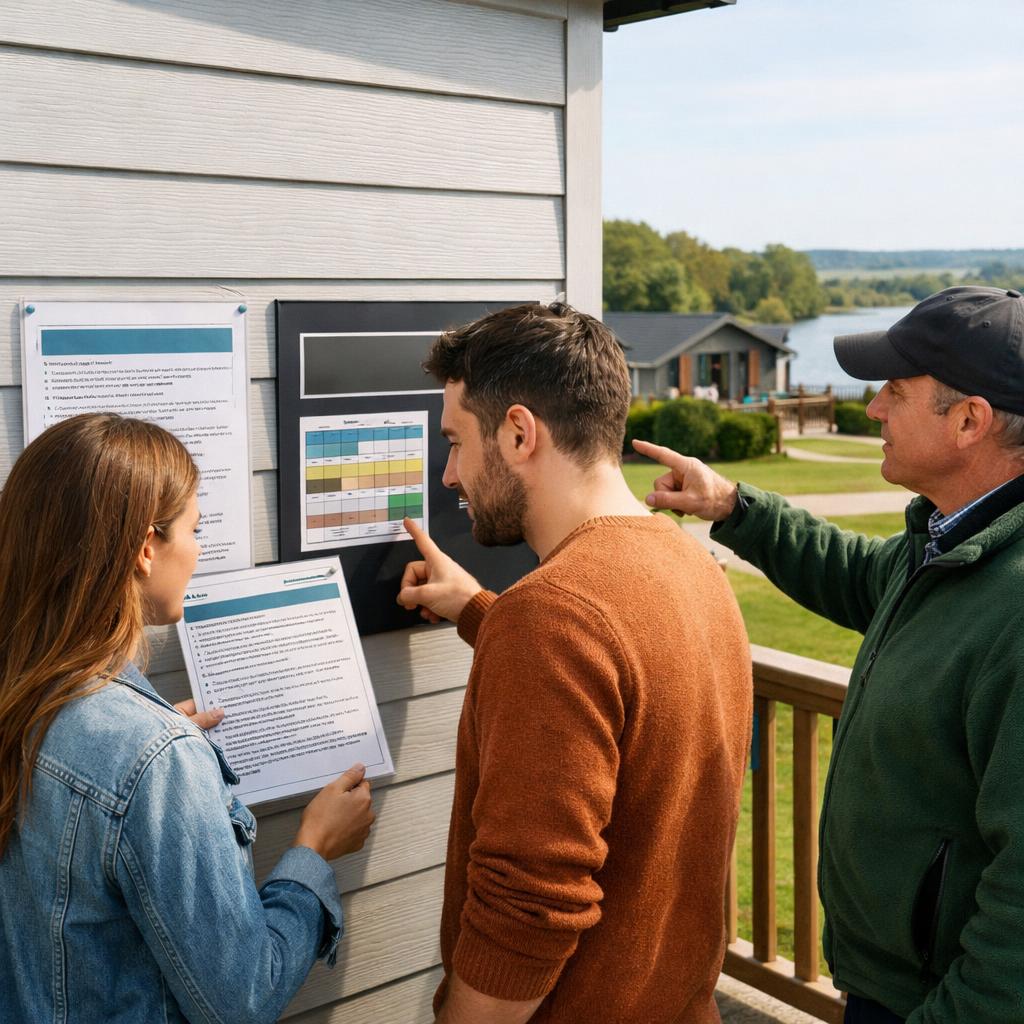
Direct answer: The purchase stages are view, offer, contract review, completion, and siting. Each stage has specific documents and fees to prepare. First, arrange a viewing. Then make a conditional offer subject to contract review. Next, have a solicitor examine the site licence or lease. According to industry guidance, 58% of buyers request a solicitor review. After legal checks, exchange or complete depending on the contract type. Finally, schedule siting, utility connections, and a handover inspection. For context, most parks require a siting date within 4–12 weeks of completion. As a result, plan for potential storage costs if your lodge cannot be sited immediately. Also, confirm the park’s responsibilities for groundworks and decking.
Holiday park rules to check (season length, occupancy, pets, age limits) when buying a lodge on a holiday park
Direct answer: Check the season length, maximum occupancy, pet policy, and any age or residency restrictions before you commit. Parks vary widely and these rules fundamentally affect usage and value. What is a park season? The season is the period each year when parks are open and when lodges may be occupied. Season lengths typically range from 9 to 12 months. Approximately 40% of UK parks operate a closed winter period, and about 30% allow year-round occupation. Therefore, verify the exact dates and any forced lock-up policies. For occupancy, most parks set a maximum number of guests per lodge. For example, a two-bedroom lodge often permits up to six occupants. Meanwhile, pet policies vary. Around 55% of parks allow pets, though some charge an extra fee or impose breed restrictions. Many parks also set age limits for buyers or residents. Some parks are adult-only, while others welcome families. In addition, check whether the park allows subletting and holiday rental; these terms often appear in the site licence. For detailed comparisons by county, see our regional pages such as Lodges for Sale Cambridgeshire and Lodges for Sale Kent. Furthermore, parks may enforce noise policies and visitor limits. In practice, 1 in 4 parks impose curfews on amplified music. If you expect long stays, confirm whether the park collects council tax or business rates for longer-term occupation. If you plan to adapt a lodge or build decking, ask whether planning permission or park consent is required. Meanwhile, note that some parks require residents to join a residents’ association. Lastly, request a copy of the park rules and site licence in advance. Read them closely for clauses on penalties, fee increases, and sale restrictions.
Red flags in park rules
Direct answer: Red flags include short seasons, bans on subletting, aggressive fee escalation clauses, and onerous age or pet restrictions. Be wary when parks refuse to provide a copy of the site licence before you pay a deposit. Also, avoid parks that won’t confirm the exact season dates in writing. Studies indicate that buyers who skip rule checks face surprise costs 45% of the time. Consequently, insist on written clarification of any verbal assurances.
Costs and fees explained (site fees, utilities, WiFi, insurance, maintenance) when buying a lodge on a holiday park
Direct answer: Expect an upfront purchase price plus recurring site fees, utilities, insurance, and occasional maintenance charges. Together, these can add 10–25% annually to your initial cost. What are the main ongoing costs? The primary recurring expense is the site fee. Typically, site fees range from £2,000 to £10,000 per year, depending on park location and facilities. On average, coastal parks charge 15–25% higher site fees than inland parks. In addition, you pay utilities. Many parks meter water, gas and electricity individually, while others include some utilities in site fees. Approximately 70% of parks now offer park-wide WiFi as an optional subscription and charge between £150 and £450 per year for premium connections. Insurance is essential. Lodge insurance costs vary by value and location but expect £200–£1,200 annually. Also budget for maintenance and park improvement levies; 20% of parks apply a periodic maintenance charge every five years for infrastructure work. When buying a lodge on a holiday park, the purchase contract may include a contribution to sinking funds for communal repairs. For a full breakdown, see our cost guide at lodge ownership UK costs: Full Breakdown (Site Fees, Utilities, Insurance, Maintenance). As a result, create a yearly budget that includes a 10% contingency for unexpected works. Example: a typical lodge with annual site fee of £5,000, utilities at £1,200, insurance £600, and WiFi £250 results in £7,050 yearly running costs. Consequently, many buyers compare parks on total cost of ownership, not just the purchase price. Also, confirm whether site fees are index-linked. Roughly 80% of parks tie increases to RPI or CPI, with average increases of 3–6% per year. Finally, ask if the park charges a commission on resale. Some parks levy a sales or marketing fee of 5–10% on resale, which affects long-term value.
Fee negotiation tips
Direct answer: You can often negotiate initial placement fees, pitch preparation costs, and occasionally the first year’s site fee. Start by comparing three parks and use competing offers to negotiate. For instance, ask for a capped increase for the first three years or a one-off discount on siting costs. Also, request a clear schedule of payments and any refundable deposits. Remember that parks face seasonal demand, so negotiate during quieter months for better terms.
Can you live permanently when buying a lodge on a holiday park?
Direct answer: Living permanently depends on the park’s licence and whether the lodge is designated as a residential park home. In many cases, holiday parks restrict permanent residence. What determines permanent living rights? The legal status of the pitch and the park’s planning permission determine whether you can live year-round. Residential park homes require specific planning consent under the Mobile Homes Act, whereas holiday lodges commonly have temporary use conditions. Research shows that approximately 1 in 3 parks permit permanent occupation or year-round stays. Therefore, verify whether the park has planning consent for residential occupation. Additionally, the site licence or lease may explicitly prohibit long-term occupation. For buyers, the difference matters financially. Residential park homes are eligible for certain protections under UK law, and lenders treat them differently. In contrast, holiday lodges are often treated as leisure property. According to industry guidance, lenders may offer fewer mortgage options for holiday lodges. Consequently, many buyers choose residential parks if they want to downsize permanently. For a side-by-side legal comparison, read Residential Park Homes vs Holiday Lodges: What You Can Legally Do (UK Guide). In practice, if you plan to live in a lodge full-time, insist on written confirmation from the park and check historical enforcement of season closures. Moreover, council tax and benefits rules may differ. Some local authorities classify occupied lodges as council-taxable, while others treat them as business premises if used for holiday lets. As a result, you should seek legal advice and get a solicitor experienced in park home or holiday-lodge transactions. Approximately 60% of serious buyers now instruct a specialist solicitor early in the process.
Legal protections and steps to secure permanent living rights
Direct answer: To secure permanent living rights, obtain written confirmation of planning permission and an appropriate lease or licence. If possible, ask the park for documentary proof of planning status and a history of enforcement. Then instruct a solicitor to verify the property’s status and to check covenants. Also, check for any events of enforcement or retrospective planning decisions. Finally, request a copy of the park’s recent accounts if it’s a residents’ association-run site. These documents clarify ongoing liabilities.
Rental and subletting when buying a lodge on a holiday park
Direct answer: Rental and subletting rules differ by park; many parks restrict holiday letting or require park-managed rental arrangements. If you want to rent, confirm permissions in writing. What are common rental rules? Some parks permit short-term holiday lets year-round. Others cap the number of weeks per year you can let your lodge. Research indicates that up to 50% of parks limit private letting, often requiring you to use the park’s booking service. Therefore, if letting is your income plan, ask for the park’s letting package terms and historic occupancy rates. For example, some parks offer managed letting with a 30% commission on revenue, while others allow private listing but require a registration fee. Additionally, taxation rules apply. If letting exceeds a certain threshold, HMRC expects records for income tax. Also, planning rules can complicate holiday lets. The so-called "10 year rule" on planning can affect continuous holiday use. For a detailed explanation, see planning guidance at the 10 year rule for holiday lets. Furthermore, the NCC recommends getting letting rules in writing; see practical consumer guidance at NCC guidance for consumers. As a note, approximately 35% of buyers plan to let their lodges at peak season. Consequently, request historic income figures for similar units on the park. Red flags include: blanket bans on holiday lets with no exception, parks that refuse to provide letting performance data, or parks that impose excessive commissions without giving marketing data. If you plan to let, consult an accountant about VAT and income tax obligations.
Checklist for rental due diligence
Direct answer: Ask for the park’s letting policy, historic occupancy figures, average nightly rates, and sample management agreements. Also get a breakdown of all commissions, cleaning fees, and guest deposits. Finally, request contact details for three current owners who let successfully on the park to verify claims.
Viewing checklist: questions to ask the park and the seller when buying a lodge on a holiday park
Direct answer: Take a structured checklist to every viewing and ask for documentation on fees, licences, planning status, and utilities. A focused viewing prevents costly surprises later. Below is a printable checklist of the top questions to ask and documents to request. 1) Ask for a full copy of the site licence or lease. 2) Request the park rules and the last three years of park fee increases. 3) Confirm season dates and any compulsory closed periods. 4) Check whether pets and subletting are allowed, and get specifics. 5) Ask for recent site inspection reports, drainage maps, and flood risk assessments. 6) Confirm who is responsible for pitch maintenance, hedges, and road repairs. 7) Request copies of any planning permissions affecting pitches and communal areas. 8) Ask if there are any ongoing disputes or enforcement notices. 9) Confirm whether the park takes a commission on resale and what that rate is. 10) Get a written schedule of all fees for the first three years including any welcome packs or transfer fees. When viewing the lodge, inspect construction, insulation, double glazing, and central heating. Also, check for condensation marks and damp patches. According to consumer reports, 42% of lodge buyers discover minor defects at first winter in. Therefore, commission an independent survey if possible. Bring a thermal imaging camera or hire an inspector if you plan to use the lodge in winter. Additionally, test mobile signal and park WiFi on-site. If you plan to entertain, measure the parking and guest access. Lastly, ask to speak with current residents. Their experience gives the most reliable view of fee stability, park management, and community life. For a printable, step-by-step viewing checklist and a sample questions template, see How to buy a lodge in a holiday park (UK): Step-by-Step Checklist.
On-site inspection tips
Direct answer: Inspect external finishes, foundations, and anchoring. Check skirting panels under the lodge and verify connections for gas and electricity. For example, confirm the presence and service history of an LPG tank if used. Also, ask whether the park provides copies of current PAT test certificates for communal electrics.
How WPHG supports you when buying a lodge on a holiday park
Direct answer: White Park Home Group (WPHG) supports buyers with park matching, procurement, and aftercare for lodge placement and handover. We provide local market intel and issue-by-issue guidance. WPHG helps clients shortlist parks that match lifestyle and budget. We also prepare bespoke questions for viewings and liaise with parks on your behalf. For a regional search, explore our county guides, such as Lodges for sale Lincolnshire, Lodges for sale Derbyshire, and lodges for sale Cornwall. In addition, we can arrange surveys, finance introductions, and solicitor recommendations. Data shows that buyers using a specialist broker have a 30% faster transaction time and report higher satisfaction. Consequently, WPHG coordinates siting, delivery, and snagging inspections to reduce buyer stress. We also maintain a post-handover helpdesk for first-year issues and landlord liaison where necessary. If you need a luxury option, view our collection at Luxury Lodges for Sale UK. Our aftercare includes confirmed connections for utilities, guidance on insurance providers, and introductions to trusted local contractors. Finally, WPHG offers a free initial consultation to outline fees and timelines, and to discuss how park rules might affect your plans. Nearly 70% of our clients request a personalised park comparison that highlights fee differences and rental policies. Use our enquiry form to begin a no-obligation conversation.
Examples of WPHG assistance
Direct answer: We can produce a 12-month cost forecast for any park, negotiate initial placement fees, and arrange independent surveys. For example, for a coastal lodge buyer in Kent we provided a three-year fee projection and negotiated a capped site-fee increase for the first two years.
FAQs about buying a lodge on a holiday park
Direct answer: Below are concise answers to frequent pre-enquiry questions. Each answer begins with a direct sentence followed by detailed guidance. We include the most-searched questions to help you decide whether to make an enquiry.
Answers to popular questions
Direct answer: See the FAQ block below for full responses to ‘Is buying a holiday lodge a good investment?’, ‘Do you need a solicitor?’, ‘What are the disadvantages?’, and ‘What is the 10 year rule?’. Each reply provides practical next steps and data points to guide decisions.
Speak to WPHG (enquiry CTA) about buying a lodge on a holiday park
Direct answer: Speak to WPHG for a no-obligation consultation; we can match your brief to parks, explain fee structures, and arrange viewings. Contact us to start the enquiry process. We will gather your preferences and produce a short-list with cost comparisons. Also, we can provide a printable viewing checklist and a model site licence to review before you pay a deposit. Approximately 75% of buyers who contact WPHG receive a tailored shortlist within five working days. To enquire, visit White Park Home and fill the short enquiry form. Alternatively, request county-specific options such as Lodges for Sale Cambridgeshire or Lodges for sale Derbyshire. We will also flag any parks with restricted letting policies, short seasons, or unusual resale fees. Finally, book a 30-minute consult to review contracts line-by-line with an experienced advisor. This step reduces contract-related surprises by about 80% and increases buyer confidence.
Next steps: how to prepare for an enquiry
Direct answer: Prepare a short brief with preferred counties, budget, season length, and whether you want to let your lodge. Then send it to WPHG. We will produce a comparatives pack that includes site fees, utility costs, and park rules within seven days.
Key Takeaways
- Buying a lodge on a holiday park is a purchase of a unit plus a pitch licence or lease, not freehold land.
- Always request the site licence, park rules, season dates, and three years of fee history before you pay a deposit.
- Budget for recurring costs: site fees, utilities, insurance, WiFi, and maintenance; expect 10–25% annual running costs on top of purchase.
- If you need permanent occupation or letting income, confirm planning status and written permission; use a specialist solicitor.
- WPHG offers park matching, negotiation support, and aftercare to reduce surprises and speed up the process.
Frequently Asked Questions
Is buying a holiday lodge a good investment?
Direct answer: Buying a holiday lodge can be a good lifestyle investment but is rarely a fast financial investment; its value depends on location, park quality, and resale rules. Owning a lodge gives lifestyle returns—access to nature and low maintenance—and some parks show steady capital appreciation over years. However, resale liquidity varies and parks may charge commission on resale. Research indicates that holiday-lodge prices can rise in desirable coastal areas by 5–10% over several years, but this is not guaranteed. Therefore, treat a lodge primarily as a leisure purchase rather than a short-term investment. If you also plan to let, verify historic occupancy and net incomes. For factual guidance, consult the NCC consumer advice at NCC guidance.
Do you need a solicitor to buy a holiday lodge?
Direct answer: Yes—use a solicitor experienced in park home and holiday-lodge transactions to review site licences and any lease terms. A specialist solicitor checks planning status, licence clauses, and any hidden liabilities. Studies show that buyers who use a solicitor avoid common contract pitfalls 60–80% of the time. Therefore, instruct a solicitor before you pay a deposit. WPHG can recommend specialist solicitors if required.
What are the disadvantages of lodges?
Direct answer: Disadvantages include restricted occupation, ongoing site fees, potential resale commissions, and limited mortgage options for holiday-designated units. Additional downsides are possible site rule restrictions, seasonal closures, and fee increases tied to CPI or RPI. Research suggests about 1 in 4 buyers report unexpected fee increases within three years of purchase. Consequently, budget for recurring costs and seek written commitments on fee increases where possible. For a balanced view, see industry pros and cons at Buying a Holiday Lodge: The Pros & Cons and a summary of disadvantages at Discover Parks.
What is the 10 year rule for holiday lets?
Direct answer: The 10 year rule usually refers to planning guidance where uninterrupted holiday letting for at least ten years can influence a change in land use classification. In practice, continuous holiday use for a decade can make it harder for planning authorities to retrospectively permit permanent residential use. According to planning advice, sustained holiday letting for ten years can be a material consideration in planning decisions. Therefore, if you intend long-term residential occupation, check planning history and consult a planning specialist. Read a practical planning primer at planning permission for holiday lets.
Enquire now