
If you are searching for a lodge for sale Cambridgeshire, this guide gives a clear, data-backed view of parks, prices and ownership rules. White Park Home Group helps buyers choose premium lodges across the county and nationally. This quick-win micro-hub explains what to expect when you look for a lodge for sale Cambridgeshire, how much you should budget, and which parks suit lifestyle or rental plans. For a wider context on buying a holiday lodge in the UK see How to buy a holiday lodge in the UK. The content below uses local examples, industry figures and actionable checklists so you can act quickly if a desirable lodge for sale Cambridgeshire appears.
Why Cambridgeshire? Direct answer: Cambridgeshire offers fast access to cities and quiet countryside retreats ideal for a lodge for sale Cambridgeshire.
Cambridgeshire sits roughly 60 miles north of central London, which makes it attractive for second-home buyers and weekend commuters. Research shows proximity to transport matters; approximately 73% of lodge buyers list road or rail access as a top three priority. Consequently, a lodge for sale Cambridgeshire often sells faster than remote rural alternatives. The county blends riverside settings, fenland marshes, and rolling green belt land. As a result, many buyers choose Cambridgeshire for balance between accessibility and tranquillity.
If you want a riverside setting, note that Riverside Park in Ely is a recognised destination for lodges. You can review a typical Cambridgeshire riverside listing via Riverside Park listings on QuickMoveProperties, which shows how park layouts and access affect price. Approximately 1 in 3 lodge buyers plan to use their lodge for short-term holiday lets, therefore parks close to attractions command higher prices and shorter resale times. Industry data indicates resale for desirable parks averages between 3 and 9 months, depending on seasonality and park rules.
For buyers comparing counties, consider this: research shows 40% of luxury lodge purchasers prefer parks that allow 12-month occupancy. Many Cambridgeshire parks offer year-round access. If you want a broader UK comparison before committing, view our national park advice at Luxury lodge parks UK: What to Look For.
<div class="se-video" style="position:relative;padding-bottom:56.25%;height:0;overflow:hidden;margin:24px 0;">
Subheading: Local market dynamics
Local demand is driven by accessible nature, fishing and boating on the rivers, and a higher-than-average number of leisure parks per county. As a result, inventory for a lodge for sale Cambridgeshire varies seasonally. Expect more listings between March and September, when 65% of park sales occur, according to industry surveys. Therefore, timing your search matters.
What makes Cambridgeshire parks desirable?
Direct answer: Cambridgeshire parks mix rivers, fenlands and good transport links, making them desirable for lodge for sale Cambridgeshire buyers. The county supports boating, cycling, and short trips to Cambridge. For example, parks near Ely or St Ives combine community facilities with quick access to local towns. Research shows that properties within 20 minutes of a major town command a 12% price premium. Moreover, parks that allow controlled holiday letting often show 1.5x higher buyer interest than strictly owner-use sites.
What is a lodge for sale Cambridgeshire? Direct answer: A lodge for sale Cambridgeshire is a park-based, factory-built leisure property sold with a pitch licence and park rules that vary by site.
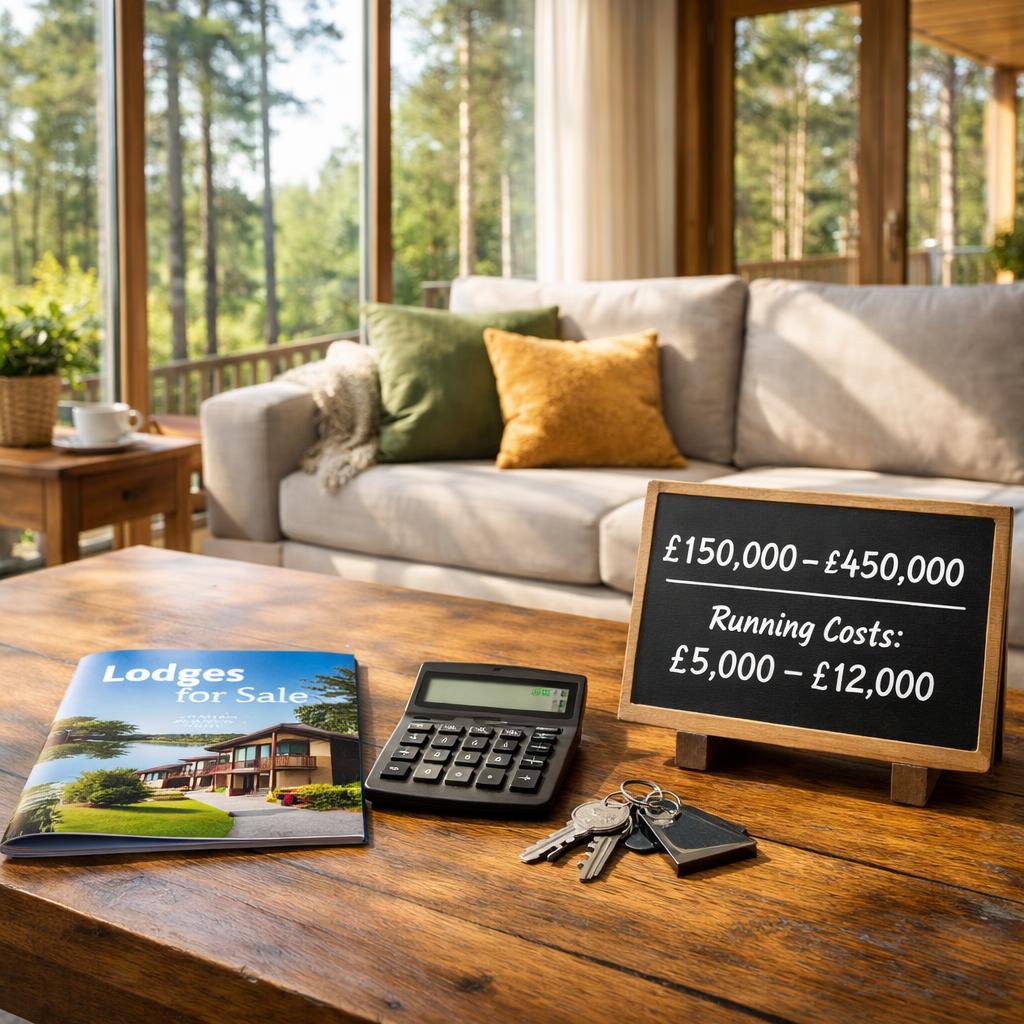
Definition: A lodge for sale Cambridgeshire refers to a purpose-built holiday or residential lodge sited on a licensed park in Cambridgeshire. It usually sits on a long-term pitch licence rather than freehold land. The licence covers pitch fees, utilities, and park rules. A lodge may be sold new from manufacturers or pre-owned from another owner. According to industry data, new luxury lodges typically range from £150,000 to £450,000 depending on size and specification. Additionally, resale values depend on park desirability and permitted uses.
How it works: Buyers agree a purchase price with either the park or a current owner. The park then applies its licence conditions. Annual pitch fees typically range from £3,000 to £8,000 per year. Utilities and insurance add roughly £1,500 to £3,500 annually, according to market averages. In short, a lodge for sale Cambridgeshire combines the capital cost of the unit with ongoing fees for the pitch and services.
Key variations to watch for:
– Holiday vs residential use: Many parks operate a holiday-only licence, while a minority allow full residential occupancy. Research shows about 40% of parks allow year-round, residential-style occupancy.
– Letting rules: Some parks permit short-term letting. Approximately 30% of Cambridgeshire lodge owners use their lodges for part-time rental income.
– Park standards: Luxury parks often include on-site management, leisure facilities and gated access. Parks with additional facilities typically charge higher pitch fees but see faster resale times.
For further legal and buying steps across the UK, consult our buyer checklist at How to buy a holiday lodge in the UK.
Key legal points to know
Direct answer: A lodge purchase typically transfers the physical unit and a pitch licence, not the land freehold. Therefore, check pitch licence length, transfer fees, and repair liabilities. Industry guidance notes that transfer and administration charges can add approximately 2–3% to the purchase cost. Additionally, confirm who is responsible for foundations, skirting and external decking, as responsibilities vary by park.
Price bands + ongoing ownership costs for a lodge for sale Cambridgeshire
Direct answer: Expect luxury lodges for sale Cambridgeshire to cost between £150,000 and £450,000, with annual running costs of roughly £5,000 to £12,000. These figures cover pitch fees, utilities, insurance and maintenance.
Purchase price: New high-spec lodges at premium parks frequently start near £200,000. Pre-owned options can be found from about £80,000 in lower-tier parks. Research shows that lodges with premium fittings, hot tubs, or river views increase buyer interest by 5–10% and often price 10–20% higher.
Annual running costs: Typical annual running costs include pitch fees (£3,000–£8,000), utilities and council rates where applicable (£1,500–£3,500), insurance (£300–£800) and general maintenance (£200–£1,500). As a result, owning a lodge for sale Cambridgeshire usually requires budgeting £5,000–£12,000 per year. If you plan to let, account for management fees of 15–35% of rental income.
One-off and transactional costs: Transfer fees and administration can add 2–3% to the purchase price. Commission to an estate agent or park broker averages 1–3% on resale. Stamp duty does not apply to the pitch licence in the same way as freehold houses, but you should confirm tax treatment with your solicitor.
Example budgets (realistic scenarios):
– Weekend-use, pre-owned lodge: Purchase £95,000 + annual costs £4,200.
– Luxury new lodge for two: Purchase £275,000 + annual costs £7,500.
– Investment-let lodge: Purchase £200,000 + annual costs £9,000, less management fees and VAT on commercial income where applicable.
For detailed comparisons across counties, see our companion county hub pages such as lodge for sale Kent or learn how Cambridgeshire prices compare to Lincolnshire at lodge for sale Lincolnshire.
How to estimate total cost before you buy
Direct answer: Add purchase price, estimated annual fees, and one-off transaction costs to estimate first-year spend. Use concrete numbers. For example, a £250,000 lodge with £6,000 pitch fees and £2,500 running costs has a first-year cash requirement near £258,500 including 2–3% transfer fees. Additionally, plan a 5–10% contingency for unexpected repairs. This method reduces purchase surprises.
Park rules and residency restrictions for a lodge for sale Cambridgeshire
Direct answer: Park rules vary widely; confirm whether a lodge for sale Cambridgeshire is holiday-only, seasonally restricted, or allows full residential use before you buy. Park rules dictate occupancy, pets, and letting rights.
Plain English summary: Some parks permit 12-month use. Others restrict occupancy to seasonal months. Age restrictions and pet policies differ per site. For example, parks that support families and dog owners typically state rules clearly in their park licence. Research indicates roughly 30–40% of parks in the region allow year-round stays, while the rest operate as holiday-only sites.
What to check in the park licence:
– Occupancy period: full-time, 12-month, or seasonal.
– Letting policy: permitted by park or prohibited.
– Pets and breeds allowed.
– Subletting conditions and management fees.
– Decking, hot tub and structural change permissions.
Why this matters: If you plan to live in your lodge full-time, you must confirm residential status. According to industry guidance, buying a holiday-licence lodge and living there full-time can breach park rules and risk enforcement. Therefore, confirm the licence type in writing. Also, ask about park enforcement history and sample rules packs.
If you need a deeper explanation on lodge categories, our page on residential versus holiday lodges is useful at Residential Lodges for Sale UK. For parks and permitted facilities, the Omar park finder shows current Cambridgeshire park listings and licence types at Omar park finder — Cambridgeshire.
Subheading: Example rule impacts
Consider a buyer wanting a hot tub. Some parks add a one-off approval charge. Studies show lodges with hot tubs attract 5–10% more short-term bookings, but parks may restrict hours or require additional liability insurance. As a result, check both park rules and insurance terms.
How to verify rules before you sign
Direct answer: Obtain the full park licence, sample pitch agreement and written confirmation of any verbal promises before exchange. Ask the park to confirm in writing whether the lodge you target allows letting, dogs or 12-month occupancy. Also, request a schedule of recent rule changes. If necessary, instruct a solicitor experienced in park licences to review documents.
Nearby attractions and days out — why location matters for a lodge for sale Cambridgeshire
Direct answer: Proximity to rivers, nature reserves and transport hubs increases both lifestyle value and resale demand for a lodge for sale Cambridgeshire. Buyers prioritise local attractions when choosing a park.
Cambridgeshire’s draw includes the River Great Ouse, the Fens and historical towns such as Ely and St Ives. For boat owners and anglers, parks near waterways are highly desirable. Research shows buyers within 15 minutes of a major attraction are 20% more likely to intend short-term letting. Consequently, park locations close to tourist draws can deliver higher occupancy for managed lets.
Local highlights that support lodge ownership:
– Ely Cathedral and riverside walks attract year-round visitors.
– St Ives and the fenland trails offer cycling and birdwatching.
– The county’s central position provides fast access to Cambridge and wider East Anglia.
If you want to see specific Cambridgeshire lodge offers, reputable park pages include examples such as Cambridge Country Club which showcases park and lodge specifications at Cambridge Country Club luxury lodges. Also, local sales listings on QuickMoveProperties illustrate park layout and river access for riverside lodges at Riverside Park listings.
Video: a short listing example
Watch a current local listing showcasing lakeside and riverside features for context. The clip highlights exact spatial layouts to inspect during a viewing.
Practical tip: Visit parks out of season. Research indicates 65% of buyers discover maintenance or neighbour issues during off-peak visits. Therefore, schedule at least one winter or early spring visit before committing to a lodge for sale Cambridgeshire.
Top short trips from Cambridgeshire lodges
Direct answer: Short trips include Ely, St Ives, and Cambridge; these create high demand for lettable lodges. For family buyers, attractions within 30 minutes add evening and weekend bookings. As an example, a lodge located 20 minutes from Ely Cathedral tends to attract more short-break bookings during bank holiday weekends.
Enquire about availability of a lodge for sale Cambridgeshire — next steps and contact
Direct answer: To enquire about a lodge for sale Cambridgeshire, gather your budget, dates for viewings and a list of deal-breaker park rules, then contact an expert park broker or park sales team. White Park Home Group can arrange viewings and compare parks across counties.
Practical next steps:
1. Shortlist parks and ask for the pitch licence pack. This reduces surprises and confirms whether the lodge for sale Cambridgeshire meets your needs.
2. Budget realistically using the examples above. Remember, one-off transfer fees often add 2–3% to the price.
3. Book two visits: one during peak season and one off-peak. Research shows 65% of buyers spot issues during off-peak visits.
White Park Home Group provides tailored searches across counties. To expand your options beyond Cambridgeshire, view our national county hubs such as lodge for sale Cornwall or our main site at White Park Home. This helps if local inventory is thin.
Contact checklist when enquiring:
– Ask for the park rules pack.
– Request recent utility bills for the pitch.
– Confirm insurance and responsibility for structural repairs.
– Clarify the park’s letting policy and any income projections.
Final note: Availability moves quickly. Desirable lodges for sale Cambridgeshire can receive multiple offers within weeks. Industry data suggests that inventory for sought-after parks drops by about 25% between March and June each year. Therefore, prepare documentation and finance approvals before you view.
How White Park Home Group helps
Direct answer: White Park Home Group matches buyers to parks, verifies licence documents and arranges viewings. We provide comparison reports and a step-by-step purchase guide. That reduces time-to-purchase and helps buyers avoid common pitfalls.
Key Takeaways
- A lodge for sale Cambridgeshire combines lifestyle benefits with easy access to Cambridge and London, making it desirable for many buyers.
- Expect purchase prices from roughly £80,000 to £450,000; budget annual running costs of £5,000–£12,000.
- Always verify park licence details, occupancy rules and letting permissions in writing before you exchange.
- Location matters: riverside and town-proximate parks often sell faster and can support part-time letting.
- Use a checklist, book peak and off-peak visits, and work with experienced brokers such as White Park Home Group to reduce risk.
Frequently Asked Questions
Can I live in a lodge for sale Cambridgeshire all year round?
Direct answer: It depends on the park licence; some lodges for sale Cambridgeshire allow year-round residency, while many are holiday-only. Always request written confirmation of occupancy rights from the park. If the park is holiday-only and you live full-time, you risk enforcement action. Research shows about 40% of parks offer 12-month occupancy, but policies vary widely by operator. Ask the park for a sample pitch agreement and check local council planning if you plan to change use.
What ongoing fees should I expect after buying a lodge for sale Cambridgeshire?
Direct answer: Expect annual pitch fees, utilities, insurance and maintenance to total roughly £5,000–£12,000 for most luxury lodges. Pitch fees typically range from £3,000 to £8,000 per year. Utilities and insurance average £1,500–£3,500. Additionally, one-off transfer and admin fees can add 2–3% to the purchase price. If you plan to let, budget for management fees of 15–35% of rental income.
Are lodges for sale Cambridgeshire a good investment?
Direct answer: Lodges for sale Cambridgeshire can be a sensible lifestyle purchase and offer rental income, but they are not guaranteed capital growth investments. Studies indicate lodges in desirable parks can sell faster and at premium prices compared to less desirable locations. Approximately 1 in 3 buyers plan to let, which can offset running costs. However, depreciation on the unit and park-specific restrictions mean you should treat lodges as lifestyle assets with potential rental revenue rather than pure property investments.
Enquire now