
Choosing between a holiday lodge vs residential park home is usually the point where buyers either move forward with confidence or stop altogether. The good news is that the decision becomes much easier once you separate lifestyle appeal from legal use. In simple terms, a lodge is typically for leisure, while a residential park home is built for full-time living on an appropriately licensed site. That difference affects everything from council tax and pitch fees to finance, insurance, and whether you can live there all year round. If you are comparing park-based homes in places like White Park Home Group’s comparison guide, you are already asking the right question. In this article, we will explain the holiday lodge vs residential park home distinction in plain English, with the practical details buyers need before viewing plots in Kent, Cambridgeshire, Cornwall, Derbyshire, or Lincolnshire. We will also show which option suits retirees, second-home buyers, and anyone weighing up a peaceful retreat against permanent residential living.
Holiday Lodge vs Residential Park Home: what is the difference?
The difference is simple: a holiday lodge is intended for short stays and leisure use, while a residential park home is intended for permanent residence. That single point is the foundation of the holiday lodge vs residential park home decision.
A lodge often feels more like a holiday retreat. It may sit on a holiday-licensed park, where occupancy is restricted to holiday use only. A residential park home, by contrast, sits on a residential site licence and is designed for year-round occupation.
According to the Leasehold Advisory Service definition of a park home, park homes are single-storey, prefabricated homes that are normally placed on a licensed site. That licence matters because it determines whether the home can be occupied permanently. The National Caravan Council also warns buyers to check the site licence before they commit, because mixed-use and holiday-only parks can look similar at first glance. You can see that guidance in the NCC guidance for consumers.
Here is the practical impact. If you want to live somewhere 12 months a year, holiday use is not enough. If you want a second home, regular breaks, or a private countryside escape, a lodge may be the better fit. That is why the holiday lodge vs residential park home choice should always start with the question: is this for living or for leisure?
In buyer terms, this is not a small detail. It affects tax, mortgage options, insurance, resale appeal, and the type of community you join. It also affects whether the park can legally market the plot as suitable for permanent living. For that reason, many buyers find it useful to compare Residential Park Homes vs Holiday Lodges alongside individual location pages such as Park Homes in Kent or holiday homes in Cornwall.
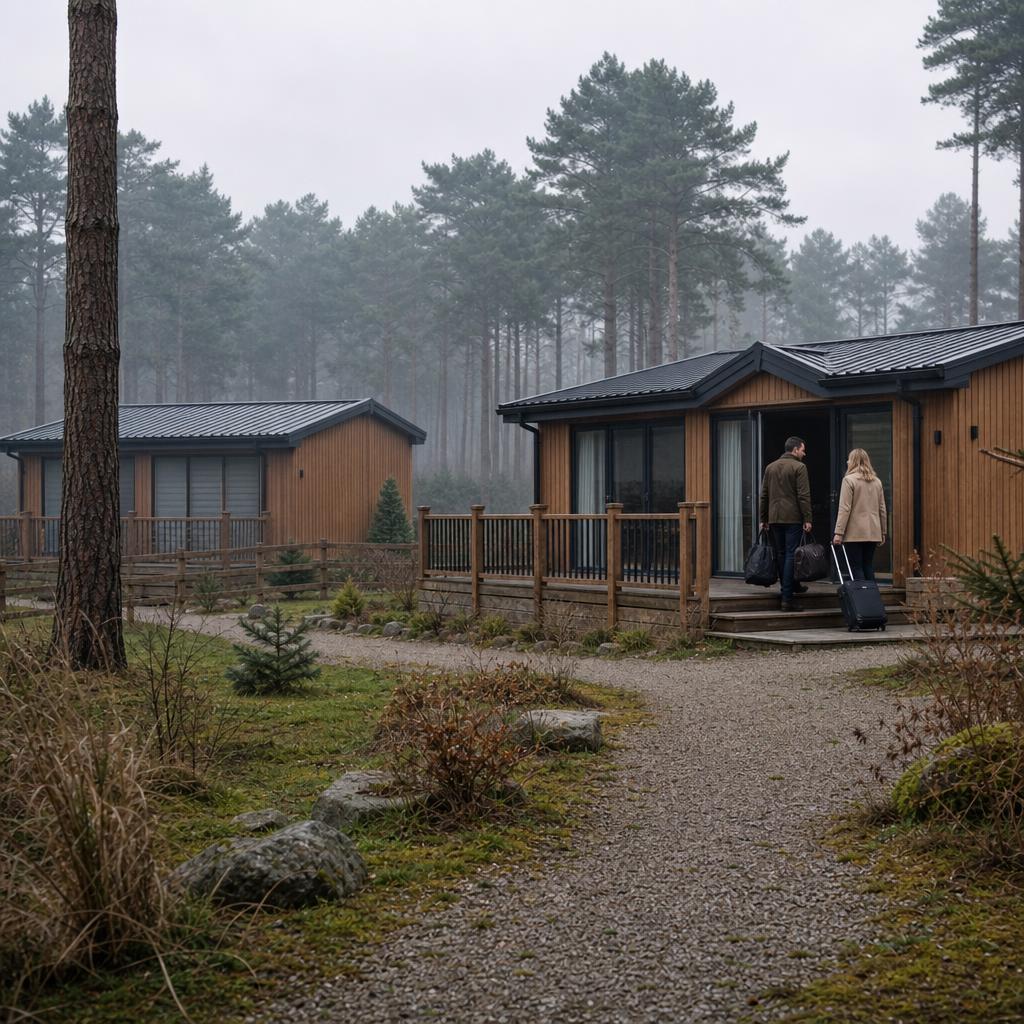
What is a park home in plain English?
A park home is a detached, single-storey home designed for a licensed residential site. It is usually meant for permanent living, not holiday-only occupancy.
In practice, that means the home can suit downsizers and retirees who want a lower-maintenance property. It also means the site must allow full-time residence. If it does not, the home may be classed as a holiday unit instead.
The Main Difference in One Sentence
The main difference is that a holiday lodge is for leisure stays, but a residential park home is for year-round living. That is the fastest way to understand the holiday lodge vs residential park home question.
This matters because the site licence controls the use, not just the building style. Two properties can look similar from the outside, yet their legal status can be completely different. As a result, buyers should never rely on appearance alone.
A useful rule of thumb is this: if the park promotes weekends away, seasonal escapes, or holiday ownership, it is likely a holiday site. If it promotes downsizing, retirement living, and full-time occupancy, it is likely residential. However, the only safe answer is to check the licence and the written paperwork.
The difference also affects demand. According to industry guidance from park associations, many buyers first focus on the finish level, such as open-plan kitchens, vaulted ceilings, decking, or lakeside views. Yet legal use should come first. On average, a buyer who checks the licence early avoids the most expensive mistake: buying a home that does not match their intended lifestyle.
If you are still comparing models, it can help to read Holiday Lodge Vs Static Caravan and holiday lodges vs static caravans. Those guides clarify why a lodge may feel more luxurious, but still remain a holiday-use property.
<div class="se-video" style="position:relative;padding-bottom:56.25%;height:0;overflow:hidden;margin:24px 0;">
Before viewing parks, watch this short explainer from the Holiday and Residential Parks Association. It gives a clear overview of the legal difference between holiday accommodation and residential park homes.
The holiday lodge vs residential park home decision is easier when you keep one question in mind: do you need legal permission to live there permanently, or do you need a high-quality retreat for regular escapes?
Licence Type and Permanent Living Rules
The licence type decides whether you can live there all year, and that is why it is the most important legal check. A holiday licence does not normally allow permanent residence, while a residential licence does.
That distinction is central to the holiday lodge vs residential park home debate. Many buyers assume “lodge” means flexible use, but the park’s licence is what really matters. In some cases, a park may look residential but still restrict occupancy. In other cases, a lodge-style home may sit on a residential plot. Therefore, the building type and the licence type must both be confirmed.
Most buyers should ask for three documents before paying a deposit:
– the site licence
– the written occupation rules
– the pitch agreement or agreement to occupy
Research from consumer guidance shows that misunderstanding park status is one of the most common buying mistakes. That is why the NCC recommends checking whether the park is residential, holiday, or mixed-use. Mixed-use parks can be especially confusing, because some plots allow permanent living and others do not.
If you want a broader overview of residential occupation, the Park Home Living guide explains what day-to-day life looks like on a residential site. Meanwhile, if you are exploring leisure locations, the Holiday Lodge Site Fees guide helps you understand the cost structure on holiday parks.
For many buyers, the rule is straightforward. If you want to register the home as your main residence, ask whether the site permits that use. If the answer is no, the property is not the right fit. Consequently, the holiday lodge vs residential park home choice becomes a legal and lifestyle decision, not just a design preference.
<div class="se-video" style="position:relative;padding-bottom:56.25%;height:0;overflow:hidden;margin:24px 0;">
To understand what residential ownership feels like in practice, this Q&A from Maria Crocker is a useful owner-focused perspective. It shows the rhythm of everyday life in a residential park home.
Data from park housing guidance also suggests that clearer pre-purchase checks reduce disputes later. In practical terms, a 10-minute licence review can save months of confusion. That is especially important if you are buying for retirement or downsizing, because your home needs to match your long-term plans.
Can you live permanently in a holiday lodge?
Usually, no. A holiday lodge is generally intended for short stays and leisure use, unless the park licence specifically allows something different.
That is why buyers should never assume year-round living is permitted. If permanent residence matters, the holiday lodge vs residential park home decision should be resolved by checking the licence in writing before you buy.
Costs, Pitch Fees and Council Tax
Costs vary, but the tax treatment is often very different. Residential park homes usually attract council tax, while holiday lodges on holiday-licensed parks often do not, provided they are not used as a permanent main home.
That said, the full cost picture is broader than council tax alone. In a holiday lodge vs residential park home comparison, you should factor in pitch fees, utilities, insurance, maintenance, and any park-specific charges. According to consumer advice sources, running costs are often more predictable on managed sites, but they still vary by location, plot size, and facilities.
A typical buyer should compare these cost lines:
– monthly or annual pitch fees
– electricity, gas, water, and sewerage charges
– home insurance or park home insurance
– council tax for residential homes
– maintenance and external upkeep
– decking, landscaping, and furniture upgrades
If you want a detailed breakdown, Park Home Ownership Costs UK explains the residential side clearly. For leisure ownership, Buying a Holiday Lodge UK covers fees, finance, and common legal questions.
Do you pay council tax if you live on a holiday park? In most cases, yes if the property is your main home on a residential site, and no if it is genuinely holiday use only. The issue depends on occupancy, licence, and how the local authority classifies the unit. For a wider explanation, the article from The Leisure Company on caravan and council tax is a helpful external reference.
The biggest financial mistake is comparing only the asking price. A lodge can look cheaper upfront, yet still carry seasonal restrictions. A residential park home may involve council tax, but it can better match your day-to-day living needs. Therefore, the holiday lodge vs residential park home decision should always include total annual cost, not just purchase price.
Do you pay council tax if you live on a holiday park?
Sometimes, yes. If a property is classed as your main home on a residential site, council tax usually applies.
If it is a true holiday lodge on a holiday-licensed park, council tax usually does not apply in the same way. However, the local authority and site classification both matter.
Insurance, Utilities and Maintenance
Insurance and maintenance are both simpler and more specific than many buyers expect. The right cover depends on whether you own a holiday lodge or a residential park home, and the park’s operating model.
In a holiday lodge vs residential park home comparison, insurance can differ because the risk profile differs. Holiday lodges may sit empty more often, while residential park homes are occupied year-round. That changes the insurer’s questions about occupancy, contents, and security. Research from park ownership guidance suggests that occupancy pattern can influence premiums and policy wording.
Utilities are also worth checking early. Some parks bundle water, waste, or ground care into the pitch fee. Others bill them separately. Consequently, two parks with similar headline prices can have very different annual costs. A buyer who checks this properly can avoid surprise bills.
Maintenance is usually lower than in a conventional house, but it is not zero. Expect to budget for external cleaning, garden care, and periodic servicing of boilers or appliances. According to buyer guidance, many park home owners find upkeep more manageable because the footprint is smaller. That makes sense for downsizers who want less work and more freedom.
For location-specific examples, browse Lodges in Cambridgeshire for waterside and countryside settings, or Coastal Lodges For Sale in the UK if sea air and retreat living are a priority.
The key point is this: holiday lodge vs residential park home is not just a legal question. It also changes how you budget for the first year and every year after that. If you understand the insurance, utilities, and maintenance profile, you are much less likely to overpay or choose the wrong type of home.
Which Option Suits Retirees and Which Suits Second-Home Buyers?
Residential park homes usually suit retirees and semi-retirees who want permanent, lower-maintenance living. Holiday lodges usually suit second-home buyers who want flexible leisure use and a retreat-style lifestyle.
That is the clearest lifestyle split in the holiday lodge vs residential park home choice. Retirees often want simpler upkeep, community feel, and a property that works all year. Second-home buyers usually want privacy, strong finish levels, and a setting they can visit on weekends and holidays.
For retirees, a residential park home can offer several practical benefits:
– one-level living
– smaller indoor and outdoor maintenance
– community-focused parks
– easier downsizing from a larger house
– predictable monthly costs
For second-home buyers, a lodge can be attractive because it often feels more luxurious than a standard holiday caravan. It may offer larger glazing, better insulation, and premium interiors. If you are comparing holiday options, the guide to Luxury Cabins UK vs Luxury Lodges can help you judge comfort, style, and retreat value.
According to buyer behaviour trends in leisure property, many second-home purchasers prioritise privacy, scenery, and a sense of escape over permanent occupancy rights. Meanwhile, retirees tend to prioritise legal certainty, utility of use, and lower-maintenance living. Those priorities usually point to different products.
If you want to explore residential communities, Residential Park Homes in the UK is a strong starting point. If you want holiday-orientated ownership, Holiday Lodges Kent and Holiday Lodges in Cornwall are useful examples.
In short, holiday lodge vs residential park home is really a question of life stage and usage. If your priority is permanent everyday comfort, choose residential. If your priority is getaway value, choose holiday.
What is the difference between a park home and a holiday home?
A park home is designed for permanent living on a residential site. A holiday home is designed for short stays and leisure use.
This is why a park home can suit full-time downsizing, while a holiday home suits leisure ownership. The holiday lodge vs residential park home question often leads to the same conclusion once the buyer knows where they plan to spend most of the year.
Questions to Ask Before You Buy a Holiday Lodge vs Residential Park Home
The right questions protect you from buying the wrong type of home. They also help you compare parks on a like-for-like basis.
Before committing to a holiday lodge vs residential park home, ask the park owner these questions:
– What is the site licence type?
– Can the home be occupied all year?
– Is the plot residential, holiday, or mixed-use?
– What are the annual pitch fees and what do they include?
– Are council tax and utilities included or separate?
– What insurance is recommended?
– Are pets, subletting, or guest stays restricted?
– What happens if I want to sell later?
Those questions sound basic, but they are powerful. According to NCC-style consumer guidance, clarity on licence and occupation rules is one of the best ways to avoid misunderstandings. It also helps you compare locations like Park Homes in Cambridgeshire or Park Homes in Derbyshire with confidence.
You should also ask for the park rules in writing. That includes site fees review terms, pitch improvement obligations, and any restrictions on external changes. In addition, ask whether the park is managed year-round or seasonally. That can affect access, maintenance, and community atmosphere.
If you are still unsure, compare the property with White Park Home Group’s wider location pages, such as Lodge Park Locations UK or Lodge Homes for Sale. Those pages help you see how location, licence, and lifestyle fit together.
The holiday lodge vs residential park home decision becomes much easier when you treat it like a checklist, not a guess. The right questions expose whether the home matches your intended use before money changes hands.
Key Takeaways
- The holiday lodge vs residential park home decision is mainly about legal use: leisure stays versus permanent living.
- The site licence matters more than the building style, because it determines whether full-time occupation is allowed.
- Costs differ across council tax, pitch fees, insurance, and utilities, so buyers should compare total annual outgoings.
- Residential park homes often suit retirees and downsizers, while holiday lodges often suit second-home buyers.
- Always check the licence, written rules, and occupation terms before paying a deposit.
Frequently Asked Questions
What is the difference between a park home and a holiday home?
A park home is meant for permanent living on a residential site, while a holiday home is meant for short stays and leisure use. The key difference is not the appearance of the home but the licence and occupancy rules. That is why the holiday lodge vs residential park home comparison always starts with the site status.
Can you live permanently in a holiday lodge?
Usually, no. A holiday lodge is normally restricted to holiday use, so permanent living is not allowed unless the site licence specifically permits it. Always check the written licence and occupation terms before you buy, because the holiday lodge vs residential park home distinction is determined by legal use, not by interior finish.
What is the difference between a lodge and a park home?
A lodge usually refers to a holiday-use property with a more upscale finish, while a park home usually refers to a residential property designed for full-time occupation. In the holiday lodge vs residential park home decision, the licence matters more than the style. Two similar-looking homes can have very different legal uses.
Do you pay council tax if you live on a holiday park?
If the property is genuinely a holiday unit, council tax usually works differently from a main residence. If you are living there permanently on a residential site, council tax usually applies. Because rules depend on occupancy and classification, the holiday lodge vs residential park home question should always be confirmed with the park and local authority.
Enquire now