
Choosing among holiday home parks UK buyers can trust is about more than finding a pretty location. It is about matching the park to your plans, your use pattern, and your comfort level with the ownership terms. Some holiday home parks UK visitors see online look similar at first glance, yet the details can be very different once you compare licence length, maintenance standards, and whether the park suits seasonal escapes or a longer-term retreat. That is why a structured comparison matters. If you are also weighing lodge ownership costs, our guide to Lodge Ownership Costs UK is a useful companion read. In this article, we focus on how to choose the right holiday home parks UK buyers should shortlist, with a clear look at location, facilities, ownership terms, and long-term suitability. The goal is simple: help you avoid buying on emotion alone and choose a park that genuinely fits the way you want to live and holiday.
Choosing a Holiday Home Park in the UK
The best holiday home parks UK buyers consider are the ones that fit how they plan to use the property. A park that suits weekend breaks may not suit long stays, and a coastal setting may not suit someone who values quiet year-round access.
Start with your purpose. Do you want a place for family holidays, a personal retreat, or a base near a favourite region? Then compare holiday home parks UK options by access, atmosphere, and practical ownership terms. If you want a broader overview of lodge-style ownership, the page on lodge homes for sale is a useful starting point. It helps you compare property style before you narrow down park location.
You should also look at the park’s overall presentation. Well-kept roads, tidy communal areas, and clear rules usually point to stronger management. That matters because holiday home parks UK buyers visit can vary widely in maintenance and oversight. In addition, ask how the park handles repairs, landscaping, and seasonal access. These details affect both convenience and long-term satisfaction.
A good comparison should include:
– Location and travel time
– Licence terms and permitted use
– Site fees and what they cover
– Facilities and community feel
– Resale potential and owner restrictions
For a general industry reference, UK holiday parks listings show how broad the market is, which is exactly why comparing beyond glossy photos is so important. Meanwhile, if you are unsure about the legal side of use, holiday lodge ownership rules in the UK explains the restrictions buyers should understand before they enquire.
The right park should feel calm, well-managed, and aligned with your plans. If it does not, keep looking.
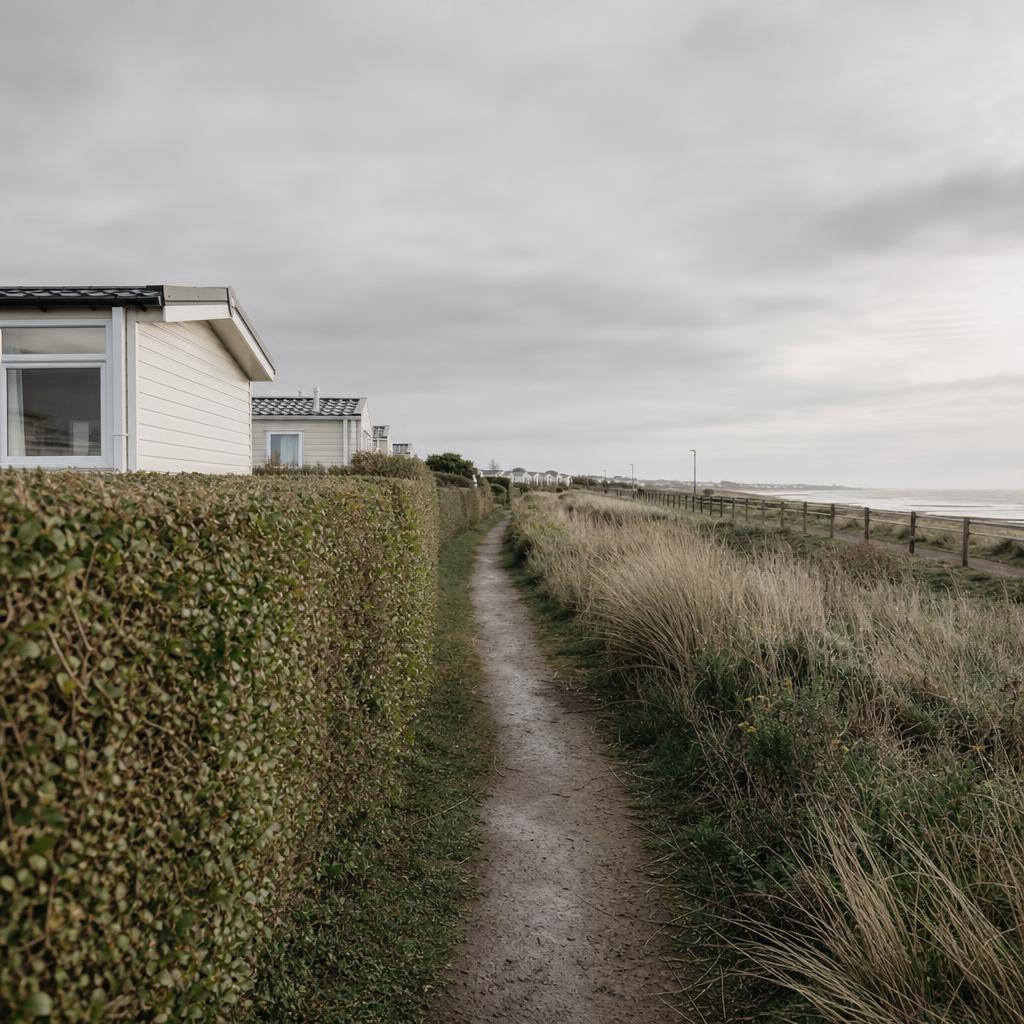
How does a buyer compare parks effectively?
Compare the same factors at every park visit. That includes access, park rules, upkeep, and whether the lifestyle matches your expectations.
A simple scorecard helps. Note what matters most to you, then compare each park against those points rather than relying on first impressions.
Holiday Home Park vs Residential Park
Holiday home parks UK buyers sometimes confuse with residential parks, but the difference matters. A holiday park is for leisure use, while a residential park is designed for main-home living under different rules.
That distinction affects everything from licence terms to how you can use the property. Before you compare parks, make sure you know whether you want a holiday base or a home you can live in full-time. If you need a clear breakdown, see Residential Park Homes vs Holiday Lodges and Can You Live Permanently in a Lodge in the UK?. Those guides explain the practical and legal differences in plain language.
This matters because some holiday home parks UK buyers shortlist look ideal, but their rules may not suit permanent living. Others offer a better fit for people seeking a luxury retreat with predictable seasonal use. Therefore, the first question should always be: what kind of ownership do I actually want?
A holiday park often suits buyers who want:
– A second home for breaks and leisure
– Easier use for family getaways
– A managed environment with shared facilities
– A clear leisure-led lifestyle
A residential park often suits buyers who want:
– A main address and permanent occupancy
– A quieter, community-led living pattern
– A home designed for long-term use
For a neutral industry view, the Park Home and Lodge Association’s residential park guidance is a helpful reference point. It reinforces why licence type should never be treated as a small detail.
In short, holiday home parks UK buyers choose for leisure should be assessed as holiday assets, not residential homes. That one distinction shapes the whole decision.
What is the main difference buyers should remember?
The main difference is use. Holiday parks are for leisure stays, while residential parks are for permanent living.
That affects rules, expectations, and suitability. If you mix those up, you may end up with the wrong ownership model.
What to Look for in holiday home parks UK
The strongest holiday home parks UK buyers shortlist are the ones that balance setting, rules, and practical ownership support. Do not judge by one feature alone. Instead, check how the park performs across the things you will live with every season.
The best approach is to compare four areas carefully: location, licence length, site fees, and community facilities. Each one affects value and enjoyment in a different way. For example, a beautiful park with weak access or unclear terms can become frustrating. Likewise, a park with excellent facilities may still be poor value if the rules do not suit you.
If you want to understand the cost side before visiting, our guide to pitch fees explained is a sensible read. It helps buyers ask the right questions about what recurring charges may cover.
It also helps to watch independent guidance before you commit. The video
<div class="se-video" style="position:relative;padding-bottom:56.25%;height:0;overflow:hidden;margin:24px 0;">
is worth a look if you want to understand why clear paperwork and legal checks matter before buying on a park. In the same spirit,
<div class="se-video" style="position:relative;padding-bottom:56.25%;height:0;overflow:hidden;margin:24px 0;">
gives a concise explanation of the difference between holiday and residential park ownership.
A strong park checklist includes:
– Clear licence and use terms
– Transparent service or site fee structure
– Good access in the months you plan to visit
– Clean, well-managed shared spaces
– A community feel that suits your pace of life
Holiday home parks UK buyers often ask about resale too. That is sensible. A park with a good reputation, sensible rules, and tidy management is usually easier to present to future buyers. However, always remember that lifestyle fit comes first. If you would not enjoy spending weekends there, the investment case is weaker from the outset.
The right choice should feel straightforward after inspection. If it raises too many questions, keep comparing.
Location
Location should match your travel habits, not just your holiday dreams. A park that is too far away may lose its appeal over time.
Consider access roads, nearby towns, local services, and how easy it is to visit outside peak season.
Licence length
Licence length tells you how long the park can operate under current terms. It is a core issue because it affects confidence and future planning.
Always ask for the exact agreement in writing and check what happens at renewal.
Site fees
Site fees should be clear, itemised, and easy to explain. They often shape the real cost of ownership.
Ask what is included, what is extra, and how increases are handled over time.
Community and facilities
Facilities matter most when they support how you want to use the park. A quiet retreat needs different amenities from a family-focused holiday base.
Look for reception support, landscaping, leisure areas, and the overall atmosphere of the community.
Countryside vs Coastal Holiday Home Parks
Countryside and coastal parks offer very different experiences, so the best choice depends on how you like to spend time. Holiday home parks UK buyers choose in the countryside often feel quieter and more private. Coastal parks usually offer stronger holiday energy and easier access to beaches, promenades, and seasonal attractions.
Countryside parks can suit buyers who want space, calm, and year-round relaxation. They often work well for those who value scenic drives, market towns, and a slower pace. By contrast, coastal parks may suit buyers who want fresh air, sea views, and a livelier holiday feel. Neither is universally better. The right answer depends on your routine and priorities.
If you are drawn to scenic lodge ownership, luxury lodge retreats UK explains how retreat-style parks differ from standard holiday sites. You may also find coastal lodges for sale in the UK useful if sea-facing locations are high on your list.
A practical comparison helps:
– Choose countryside if you want privacy, views, and a calmer rhythm
– Choose coastal if you want holiday atmosphere and easy seaside access
– Choose a mixed-location park if you want both touring appeal and strong local amenities
Some buyers also compare regional lifestyle fit. For example, a park near heritage towns, waterways, or walking routes can feel more versatile than one that is purely holiday-led. In addition, the surrounding area affects how often you will use the property across the year.
Ultimately, holiday home parks UK buyers prefer are the ones that feel right in every season, not just on a sunny first visit.
Questions to Ask Before You Buy in holiday home parks UK
The best questions reveal how the park really operates. Holiday home parks UK buyers should ask them early, before any deposit is discussed.
Start with the agreement. Ask what type of licence applies, how long it runs, and what restrictions are attached to use, pets, subletting, or guests. Then ask about fees, maintenance, and park management. If the answers are vague, that is a warning sign.
You should also ask whether the park is seasonal or open for extended use, and what that means in practice. If you are considering ownership for a broader lifestyle change, our guide to buying a lodge in the UK is a helpful next step.
Good questions include:
– What is included in the annual charges?
– Are utility costs separate?
– Who maintains the grounds and shared areas?
– What are the rules on letting or family use?
– How are disputes handled?
– What happens if the park changes management?
It is also wise to ask for the park’s written rules and read them carefully at home. A relaxed visit can hide important details. Therefore, take time, request documents, and compare like for like.
For a broader context on ownership style, Meridian Parks shows how some park operators position community and lifestyle together, while Shorefield’s holiday parks illustrates the appeal of strong location-led holiday settings. Use external examples as comparison points, not as substitutes for your own due diligence.
The best purchase feels clear after the questions are answered. If it does not, walk away and keep looking.
White Park Home Group Park Locations
White Park Home Group focuses on quality-led park and lodge developments for buyers who want a more considered ownership experience. If you are comparing holiday home parks UK buyers may shortlist, our locations are designed to help you match lifestyle, setting, and property type more precisely.
We offer a range of park and lodge options that may appeal to different buyers, including countryside retreats, coastal settings, and community-led developments. For example, White Park Home Group Lodge Park Locations UK gives an overview of our developments, while Lazy Otter Meadows provides a closer look at one scenic lodge park setting.
If you want a county-specific comparison, Park Homes in Cornwall and Park Homes in Kent show how location influences lifestyle choices. Meanwhile, Lodges in Cambridgeshire may suit buyers who want countryside access with excellent local connectivity.
That is why holiday home parks UK buyers should think in terms of fit, not just availability. The right park should reflect how you want to spend your time, how often you will visit, and whether the surrounding area supports your plans.
If you would like a first step into our brand, visit White Park Home to explore current park and lodge information. Then compare locations against the checklist in this guide before booking a visit.
The strongest developments combine setting, clarity, and long-term comfort. That is the standard to aim for.
Book a Park Visit
A visit is the final test. Photos can impress, but a site visit tells you whether the park truly suits you.
Walk the site in person, speak to the team, and notice how the park feels at different times of day. Holiday home parks UK buyers often make their best decisions when they can compare atmosphere, access, and upkeep side by side.
Bring a checklist and inspect the essentials:
– Entry and road access
– Plot position and privacy
– Condition of communal areas
– Noise levels and general upkeep
– How staff answer your questions
If possible, visit more than once. A weekday visit and a weekend visit can feel very different. Furthermore, ask for all key documents before making any commitment.
The goal is not just to find a park. It is to find the right park for your plans, your budget, and your lifestyle. That is especially true with holiday home parks UK buyers may consider for years to come.
Book a visit only when the park, the paperwork, and the setting all make sense together. If they do, you are much closer to a confident purchase.
Key Takeaways
- Choose holiday home parks UK buyers should compare by use, not just appearance.
- Always check licence terms, site fees, and park rules before paying a deposit.
- Countryside parks suit calm retreats, while coastal parks suit holiday-led lifestyles.
- Holiday and residential parks are not the same, so confirm the park’s legal status.
- A site visit, document review, and clear question list make the safest buying decision.
Frequently Asked Questions
What should I look for in holiday home parks UK buyers recommend?
Look for clear ownership terms, a location that matches your travel habits, and a park that is well maintained. You should also check site fees, facilities, and the overall community feel before you decide. If the paperwork is unclear, keep comparing holiday home parks UK options until you find one that feels straightforward and suitable.
Are holiday home parks UK choices the same as residential parks?
No, they are not the same. Holiday home parks UK buyers visit are for leisure use, while residential parks are designed for permanent living under different rules. That difference affects licence terms, use restrictions, and your long-term plans, so you should confirm the park’s status in writing before you buy.
How do I compare site fees at holiday home parks UK buyers are considering?
Ask exactly what the fees include and what is charged separately. Compare like for like, then check how management explains increases and maintenance responsibilities. Transparent fees are a strong sign of a well-run park, and they help you judge whether the holiday home parks UK shortlist offers genuine value.
Should I choose a coastal or countryside park?
Choose the setting that fits your lifestyle. Coastal parks suit buyers who want sea air, holiday energy, and easy access to beaches, while countryside parks suit those who value calm, views, and a slower pace. Many holiday home parks UK buyers decide by asking which setting they would enjoy most in every season.
Enquire now