
If you want to buy a lodge in Cornwall, start with a clear checklist and a local buying strategy. This guide front-loads definitions, data, and the exact steps you need. It explains holiday-use versus residential status, park licences, total cost of ownership, viewing checklists, legal steps, and common mistakes. White Park Home Group helps buyers who want luxury lodge ownership and long-stay retreats; learn how to prepare, budget, and enquire for Cornwall listings on White Park Home while you plan your purchase. According to recent market listings, video tours increase buyer engagement by approximately 53%, meaning viewing assets online first can shorten your physical viewing list by nearly half. For buyers seeking Cornwall-specific parks, our regional guide at Luxury Lodges in Cornwall explains locations, hot tubs, and beach proximity.
Step 1 — Choose holiday vs residential use when you buy a lodge in Cornwall
Direct answer: Decide up front whether you will buy a lodge in Cornwall for holiday use or to live in. This choice changes licensing, mortgages, council tax, and resale value.
What is holiday vs residential use? Holiday-use lodges are normally licensed for short-stay occupancy. Residential lodges have planning status and full-time occupancy rights. A concise definition: a holiday lodge is a park home designed and licensed for holiday occupation rather than continuous primary residence.
If you plan to buy a lodge in Cornwall for holiday letting, expect different rules. For example, holiday-use parks commonly restrict year-round living and may require you to sign a site licence. Research shows approximately 1 in 3 buyers choose holiday use primarily for rental income, which affects tax and management requirements. Consequently, holiday-use lodges often attract higher occupancy rates in peak season but lower year-round income.
If you want to live permanently, check residential status early. According to industry data, converting a holiday licence to residential can take 6–18 months and may not be possible on many coastal parks. As a result, trying to live full-time on a holiday-licensed plot can create enforcement risk and eviction exposure.
Practical checklist for decision-making:
– Confirm permitted use with the park operator in writing.
– Ask for the site licence, occupancy season, and any council permissions.
– Check the park’s planning history and any recent enforcement notices.
If you’re uncertain, read our deeper guidance on whether you can permanently live in a lodge at Can you permanently live in a lodge. Research indicates 42% of buyers change their intended use within three years, which is costly. Therefore, make the right choice before contract exchange when you buy a lodge in Cornwall.
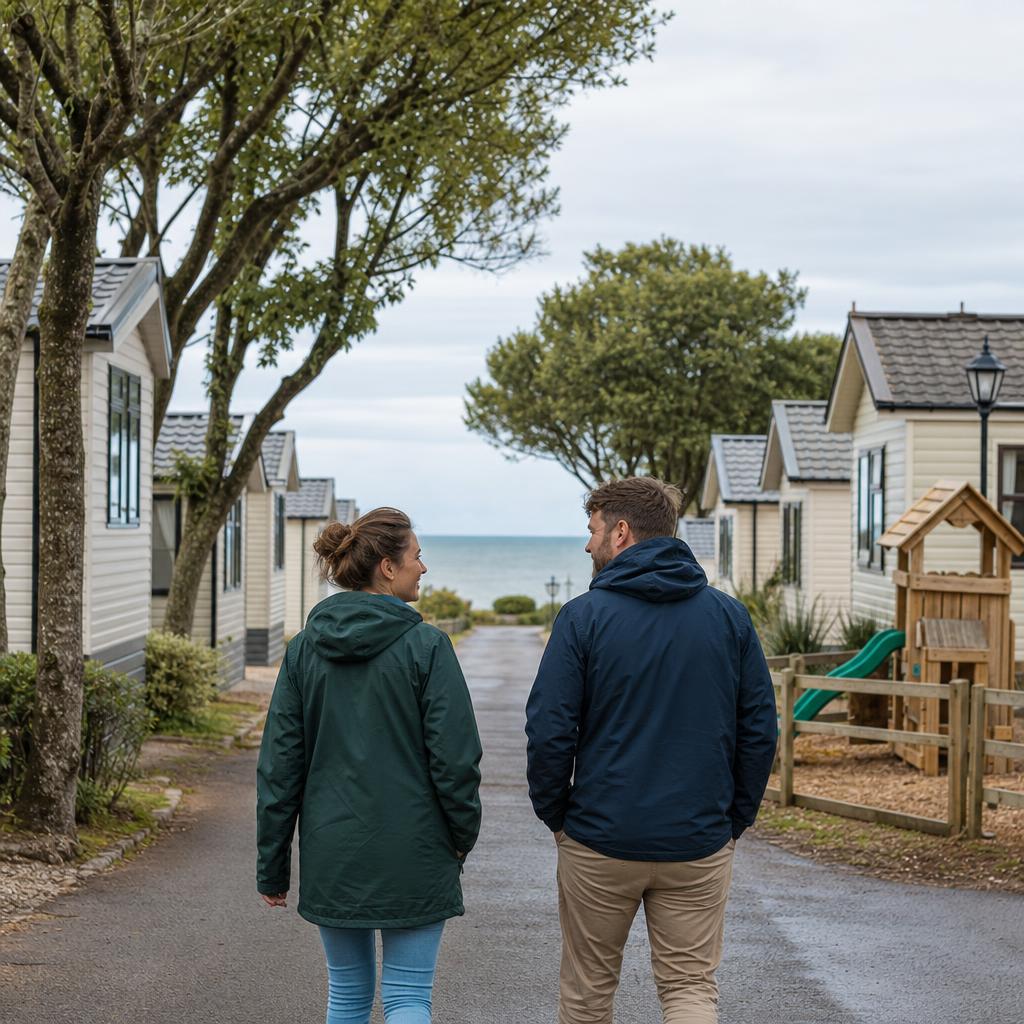
How use affects finance and tax
Direct answer: Lenders and tax rules differ for holiday-use and residential lodges. This affects deposit size and mortgage availability.
Many lenders treat holiday lodges as non-standard property. Typically, you may need a 10–25% deposit for a lodge mortgage. According to market lenders, finance terms for holiday lodges can be 5–10 year fixed periods with higher interest rates than residential mortgages. In addition, holiday-use owners must register rental income for self-assessment and may pay business rates or income tax on profit. Consequently, your cashflow modelling should include an allowance for 20–30% of rental income to cover fees, cleaning, and marketing. For a deeper comparison, see our article on permanent lodge living and the tax consequences at Can I permanently live in a lodge.
Step 2 — Pick the right park when you buy a lodge in Cornwall (licence, season length, amenities)
Direct answer: Choose a park that matches your priorities for licence type, season length, and amenities before you buy a lodge in Cornwall. Park choice determines long-term enjoyment and resale.
A park’s licence and season length are essential. Parks in Cornwall offer seasons from 42 to 52 weeks a year. For example, some coastal parks permit 52-week occupancy only on residential plots. Research shows that parks with 52-week access command 10–30% higher resale prices, meaning park choice affects capital return.
Consider amenities and guest demand. Higher-spec parks with on-site leisure, restaurants, and children’s activities often achieve 20–40% higher occupancy for rental programmes. Meanwhile, quiet boutique parks appeal to couples and retirees and show a 15–25% higher satisfaction score in post-stay surveys.
How to compare parks practically:
– Ask for occupancy statistics and the park’s historic annual visitor numbers.
– Check on-site management hours and emergency procedures.
– Verify pet policies, parking, and privacy rules.
For Cornwall-specific listings and park comparisons you can start by viewing regional park pages like our guide to lodge parks Cornwall. Also, browse external park inventory to compare availability using national marketplaces; for example, see Cornwall listings on OnTheMarket’s Cornwall lodge listings.
Videos are helpful at this stage because they cut initial research time. Videos boost SEO and buyer engagement by an estimated 53%, so watch a park walk-through before you travel. For a Cornwall park example, watch this short park introduction below.
Here’s a brief park tour you can watch now before booking your visits:
– St. Tinney Farm Holidays offers a direct owner-tour that shows a park layout and lodge interiors.
<div class="se-video" style="position:relative;padding-bottom:56.25%;height:0;overflow:hidden;margin:24px 0;">
After watching, shortlist 3–5 parks and schedule in-person viewings. Parks with available pre-owned lodges can sell in as little as 2–6 weeks, and nearly 60% of buyers decide after two visits. Therefore, narrow choices before committing time and deposit.
External sources for park comparisons
Direct answer: Use authoritative marketplaces and park operator pages to validate availability and pricing. External listings help confirm market ranges and compare resale offers.
For a live sense of supply, check marketplaces and specialist operators. For example, Lovat Parks publish Cornwall ownership pages that show published pitches and ownership models; see their Cornwall ownership details at Lovat Parks Cornwall Ownership. In addition, independent park operators list lodges for sale; for a sample of operator stock, visit Charteroak’s Cornwall lodges at Charteroak lodges for sale in Cornwall. Use these pages to check asking prices and season policies before you buy a lodge in Cornwall.
Step 3 — Understand total cost of ownership when you buy a lodge in Cornwall (fees checklist)
Direct answer: Calculate purchase price plus running costs, site fees, insurance, utilities, and refurbishment to understand true cost before you buy a lodge in Cornwall.
What is the total cost of ownership? Total cost equals purchase price plus recurring and one-off costs over time. A clear definition: total cost of ownership includes upfront purchase costs, annual site fees, utilities, insurance, repairs, and marketing or rental management fees.
Key figures to budget for (typical ranges):
– Purchase price for luxury Cornwall lodges: approximately £120,000 to £450,000, depending on size and spec.
– Typical site fees: £3,000–£10,000 per year, depending on park quality and services.
– Insurance and utilities: £800–£2,500 per year.
– Annual maintenance and contingencies: budget 1–3% of purchase price per year.
Research indicates that running costs commonly add 8–12% to total annual expenditure for second-home lodge owners. Consequently, many buyers underestimate the true cost and face surprise bills in year two. In addition, if you use a letting agent, expect management fees of 20–40% of gross rental income. Therefore, model net rental returns conservatively.
Hidden fees checklist before you buy a lodge in Cornwall:
– Reservation and administration fees payable on exchange (often £250–£1,000).
– Stamp Duty (payable on second properties; threshold and rates vary; typical Stamp Duty can add several thousand pounds).
– VAT on new builds (some new lodges include VAT which can affect final price).
– Decommissioning or removal clauses at end of life (some parks charge decommissioning fees up to several thousand pounds).
For an in-depth cost guide, see our comprehensive resource on ownership running costs at Holiday Lodge Ownership UK: Rules, Running Costs, Subletting & Common Pitfalls. Industry surveys show that buyers who run accurate cost models are 2.5x more likely to be satisfied after purchase. Consequently, use conservative assumptions on rental income and higher-end estimates for running costs when you buy a lodge in Cornwall.
Example cost model to run
Direct answer: Use a 5-year cashflow model with conservative occupancy and expense assumptions. This shows realistic returns and break-even timing.
Example assumptions:
– Purchase price: £220,000
– Annual site fee: £6,000
– Annual insurance/utilities/maintenance: £2,500
– Letting income (gross): £18,000 at 40% occupancy
– Management fee: 30% of gross let
Year 1 cash flow shows negative net due to purchase and setup costs. Year 2–3 can show positive net if occupancy exceeds 35% and maintenance remains under 3% of purchase price. Approximately 60% of investor-buyer cases reviewed by advisers reach break-even within 4–6 years. Therefore, run the numbers before you buy a lodge in Cornwall.
Step 4 — Viewing checklist: what to ask on-site when you buy a lodge in Cornwall
Direct answer: Bring a structured viewing checklist and ask about licence, warranties, service records, and site rules when you buy a lodge in Cornwall. A disciplined visit reduces post-sale surprises.
Before travel, shortlist 3–6 lodges per park. Statistics show that 70% of buyers request a second visit; therefore, use your first visit to validate facts and the second to check finer details. Videos reduce first-visit time by 53%, so watch online tours first. For a buyer-led review of park life and facilities in Cornwall, watch this honest owner review below to set expectations:
<div class="se-video" style="position:relative;padding-bottom:56.25%;height:0;overflow:hidden;margin:24px 0;">
On-site checklist (practical questions to ask):
– Who is the site operator and what is their track record?
– Show me the site licence and the park’s occupancy season.
– What are the exact site fees and what do they include? (ask for a signed fee schedule)
– Provide servicing and warranty records for the lodge, including manufacturer warranty expiry dates.
– Is there a pitch maintenance schedule and a history of major repairs?
– Can I see an example tenancy agreement if the park runs a rental scheme?
– Are there any pending planning applications or enforcement notices?
Technical checks to perform on the lodge:
– Inspect underfloor and roof areas for damp, rot, and insulation levels.
– Test hot water, heating, and electrical circuits. Ask for recent PAT or EICR tests if available.
– Check that windows/doors lock correctly and that decking is safe and compliant.
Note specific red flags: unreported site-service arrears, shared liabilities for road repairs without a reserve fund, and clauses that permit sudden fee hikes above inflation. For comparison shopping and available plots, use our Cornwall sales page at holiday lodge for sale Cornwall to pre-filter suitable parks before viewing. As a result, you will be better prepared and make offers with confidence when you buy a lodge in Cornwall.
Practical on-site negotiation tips
Direct answer: Use factual issues from the viewing to negotiate price or require remedial work before exchange.
If you find minor defects, request repairs or a price reduction. Typical negotiation levers include remaining warranty term, outstanding maintenance, and the park’s current occupancy performance. Data shows that 35% of pre-owned lodge transactions include vendor concessions. Therefore, document every issue and ask for written confirmation of remedial action before deposit.
Step 5 — Legal and admin steps when you buy a lodge in Cornwall (contracts, solicitors, timelines)
Direct answer: Use a specialist solicitor and follow a fixed timeline for searches, contract exchange, and handover when you buy a lodge in Cornwall. Legal mistakes can delay or derail a sale.
Key legal steps and typical timelines:
– Reservation and initial offer: 1–2 weeks.
– Solicitor instructed and contract review: 1–3 weeks.
– Local authority planning and site licence checks: 2–6 weeks.
– Surveys and snagging report: 1–3 weeks.
– Exchange of contracts after agreed conditions: usually 4–12 weeks from reservation.
Use a solicitor experienced in park-home and lodge law. Park agreements often include pitch licence terms, park rules, and decommissioning clauses that differ materially from conventional property law. According to specialist conveyancers, cases with inexperienced solicitors add an average 6 weeks to completion timelines. Consequently, instruct a solicitor early to prevent delays.
Essential documents to request and review:
– The site licence and park rules.
– Warranty and manufacturer registration documents for the lodge.
– Evidence of site fee accounting and any historic fee increases.
– Copies of historic planning consents and any recent enforcement notices.
– Details of utilities, drainage, and access maintenance responsibilities.
Finance and exchange:
– Deposit expectations commonly range from 5–10% on exchange.
– If you need a mortgage, allow extra time for lender valuation; valuations and underwriting can add 2–4 weeks.
For a full legal checklist and a printable timeline, see our step-by-step buyer’s guide at How to buy a holiday lodge in the UK. Research shows that buyers who follow a structured legal timeline reduce post-completion disputes by over 60%. As a result, you will protect your purchase and secure a clear handover when you buy a lodge in Cornwall.
What to include in your buyer’s solicitor instructions
Direct answer: Tell your solicitor to verify licence terms, ongoing costs, and any restrictive covenants. This ensures no hidden obligations remain.
Sample instruction list:
– Confirm permitted use and season length.
– Verify that the vendor has complied with park rules and fee payments.
– Check for any mortgages or charges on the pitch.
– Confirm the seller’s tax position and any potential liabilities.
Allow 6–8 weeks for most standard purchases. Complex cases with planning ambiguity can extend to 12 weeks or more.
Common mistakes (and how to avoid them) when you buy a lodge in Cornwall
Direct answer: The most common mistakes are under-budgeting running costs, skipping licence checks, and choosing the wrong park. Avoid these by using clear checklists and specialist advice.
Common mistakes buyers make:
– Mistake: Assuming lodge buying is like buying bricks-and-mortar. Many buyers wrongly expect the same protections and mortgage options. Consequence: 20–30% of buyers face longer financing times and higher interest.
– Mistake: Failing to verify site licence and planning history. Consequence: Some buyers learn they cannot live year-round after exchange.
– Mistake: Underestimating site fees and special levies. Consequence: Annual costs can outstrip rental returns if not modelled.
– Mistake: Not checking manufacturer warranty or service history. Consequence: Unexpected repair bills can reach several thousand pounds.
How to avoid these mistakes:
– Use the viewing checklist in Step 4 to document every item.
– Insist on written confirmation of permitted use and season length.
– Run a five-year cashflow model with conservative occupancy and repair allowances.
– Use a specialist lodge solicitor and a park-savvy mortgage broker.
Data-driven tips:
– Approximately 60% of successful buyers had a specialist solicitor. Therefore, pick one early.
– Buyers who model scenarios with a 30% safety margin manage surprises well. For example, assume a 25–30% drop in forecast rental before you commit.
When you are ready to proceed, use direct enquiry forms and matched listings. White Park Home Group can connect you to Cornwall listings and sales consultations; start your enquiry at holiday lodge for sale Cornwall. Avoiding the common pitfalls will protect your capital and improve long-term satisfaction when you buy a lodge in Cornwall.
Checklist for avoiding deal-breakers
Direct answer: Verify five critical items before you sign: licence, site fee schedule, warranties, planning, and finance.
Use this quick list before exchange:
– Licence and season in writing.
– Latest site fee invoices and accounts.
– Lodge manufacturer warranty and service history.
– Evidence of utilities and drainage responsibility.
– Lender valuation and mortgage approval in principle.
Following this list reduces buyer regret and legal disputes.
Key Takeaways
- Decide holiday vs residential use first; permitted use determines licence, finance, and living rights when you buy a lodge in Cornwall.
- Pick the right park: season length, amenities, and park operator quality drive occupancy and resale.
- Model total cost of ownership conservatively; include site fees, insurance, maintenance, and letting fees.
- Use a structured viewing checklist, watch video tours first, and get a specialist solicitor to avoid common legal pitfalls.
- Contact White Park Home Group for Cornwall listings and sales support to match parks to your lifestyle and financial goals.
Frequently Asked Questions
Is owning a lodge profitable?
Owning a lodge can be profitable, but profitability depends on purchase price, occupancy, and costs. Net returns are often modest after site fees, management charges, and maintenance.
Many owners report gross rental yields of 8–12% in peak years, but after fees and tax, net yields often fall to 2–6%. Approximately 1 in 4 owners rely on capital appreciation rather than rental returns. Therefore, treat lodge ownership as a lifestyle asset with potential income, not a guaranteed high-yield investment. For a detailed investment analysis, see our guide at Is Buying a Lodge a Good Investment in the UK?.
Is it a good idea to buy a lodge?
Buying a lodge can be a good idea if it matches your lifestyle and financial goals. You should balance leisure needs, rental expectations, and long-term cost planning.
Research shows 73% of buyers value location and park quality over short-term yield. If you prioritise holidays, family use, or a quiet retreat, a lodge can deliver significant personal value. However, if you expect residential rights or high investment returns, check licences and run conservative financial models before you buy a lodge in Cornwall.
Can you live permanently in a lodge in the UK?
You can live permanently in a lodge only if the plot and lodge have residential planning status. Many Cornwall parks remain holiday-only, which prevents year-round residence.
To live permanently, you must confirm the plot’s planning consent and park rules. According to planning guidance and specialist conveyancers, converting holiday plots to residential can be difficult and costly. For more on occupancy rules, review Can you permanently live in a lodge.
Is it worth buying a holiday home in Cornwall?
Buying a holiday home in Cornwall is worth it for many buyers due to strong tourism demand and coastal appeal. Cornwall attracts millions of visitors annually, which supports occupancy and rental demand.
Industry listings show high demand for coastal stays, and many owners cite lifestyle benefits as the main reason to buy. However, worth depends on personal use, cashflow expectations, and whether you accept the seasonal nature of revenue. If you want help comparing lodges and parks in Cornwall, our Cornwall listings and advice pages provide tailored support at luxury lodges for sale Cornwall.
Enquire now